
Minimally invasive heart surgery, including procedures like minimally invasive bypass surgery, is a major advancement in modern cardiac care. These techniques allow surgeons to treat complex heart conditions through small incisions instead of traditional open-heart surgery. Using advanced technologies such as robotic assistance and specialized instruments, this approach reduces trauma to surrounding tissues. Patients experience faster recovery, less pain, and better overall outcomes, making minimally invasive heart surgery and minimally invasive bypass surgery preferred options for many heart procedures.
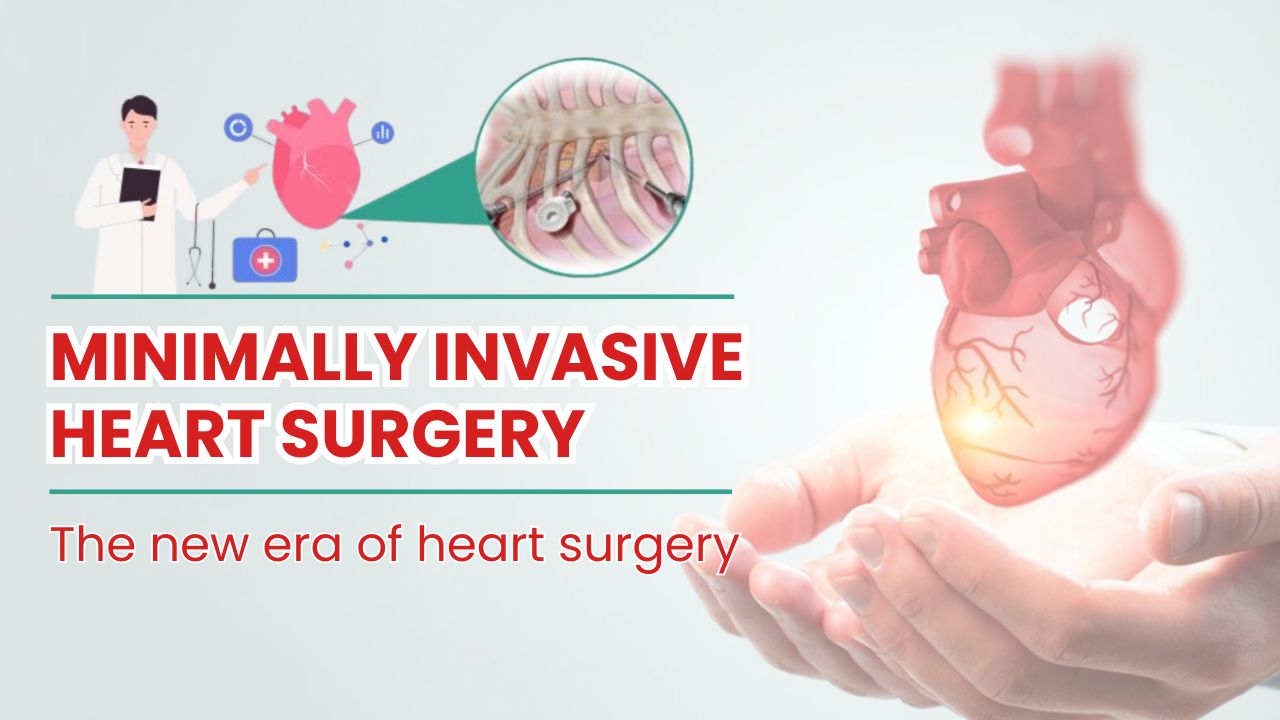
What is minimally invasive heart surgery and how is it different from open-heart surgery?
Minimally invasive heart surgery refers to a set of surgical techniques designed to perform cardiac procedures with smaller incisions compared to traditional open-heart surgery. This approach typically involves the use of specialized instruments and advanced imaging technology, allowing surgeons to access the heart through small openings, often between the ribs, rather than through a large incision that requires cutting through the breastbone. The primary distinction between minimally invasive heart surgery and open-heart surgery lies in the extent of the surgical intervention; while open-heart surgery necessitates a significant incision and often involves stopping the heart and using a heart-lung machine, minimally invasive techniques aim to preserve the integrity of the chest cavity and reduce recovery time.
Who is an ideal candidate for minimally invasive heart procedures?
An ideal candidate for minimally invasive heart procedures typically includes individuals who have specific cardiovascular conditions that can be effectively treated with less invasive techniques. These patients often present with issues such as coronary artery disease, valve disorders, or arrhythmias, and may benefit from reduced recovery times and lower risks of complications associated with traditional open-heart surgery. Additionally, candidates are usually those who are not suitable for more invasive procedures due to age, overall health, or the presence of comorbidities. Ultimately, a thorough evaluation by a cardiologist is essential to determine the appropriateness of minimally invasive options for each patient.
How is minimally invasive heart surgery performed step by step?
The general steps for the procedure are:
- Anesthesia: The patient is given general anesthesia so they are asleep and feel no pain during the operation.
- Incision and Access: The surgeon makes one or more small incisions (typically 2 to 4 inches long) in the chest.
- Visualization: A tiny video camera (endoscope or thoracoscope) is inserted through one of the incisions, projecting a magnified view of the heart onto a monitor in the operating room.
- Specialized Tools: Long, thin surgical instruments are inserted through other small incisions to perform the operation.
- Heart-Lung Machine (if needed): For many procedures (like valve repair), the patient may be connected to a heart-lung bypass machine, which takes over the function of circulating blood and oxygen, allowing the heart to be still during surgery. Some bypass procedures can be done on a beating heart (off-pump).
- Surgical Repair: The surgeon performs the necessary procedure, such as repairing a heart valve or bypassing a blocked artery, using the specialized instruments and guided by the monitor images.
- Closure: Once the procedure is complete, the surgical instruments and camera are removed. Drainage tubes may be placed in the chest to remove excess fluid. The incisions are then closed with sutures or staples and dressed.
What are the key benefits of minimally invasive heart surgery?
Key advantages for patients include:
- Less Pain: Patients experience significantly less postoperative pain and discomfort because the breastbone is generally not split, reducing the need for strong pain medications.
- Faster Recovery Time: The quicker healing process allows patients to return to normal activities, including work and driving, in a matter of weeks (often 2-4 weeks) rather than months.
- Shorter Hospital Stay: The typical hospital stay is reduced, often lasting just 2 to 5 days, compared to a week or more for traditional surgery.
- Improved Cosmetic Results: The smaller, less noticeable scars can be a significant cosmetic and psychological benefit for many patients.
- Reduced Respiratory Issues: Less trauma to the chest muscles and bones results in a lower risk of respiratory complications, such as pneumonia.
- Enhanced Quality of Life: The combination of faster healing and fewer complications contributes to an overall improved quality of life following the procedure
What factors determine the cost of minimally invasive heart surgery?
The cost of minimally invasive heart surgery is determined by a complex interplay of medical, logistical, and economic factors. The specific type and complexity of the procedure is a primary driver, with highly intricate operations like robotic-assisted surgery or multiple valve replacements costing more than simpler interventions. The patient’s overall health condition and age, including any pre-existing medical issues or potential complications, can lead to increased costs due to the need for additional care and a potentially prolonged hospital stay.
Hospital and geographical location are major determinants of expense. The duration of the hospital stay, especially the time spent in the Intensive Care Unit (ICU), significantly impacts the total bill, as does the use of advanced medical technology and specialized surgical tools. Finally, a patient’s insurance coverage plays a critical role in determining the final out-of-pocket expenses, along with associated costs such as diagnostic tests, medications, and necessary post-operative rehabilitation and follow-up consultations
How do you choose the best hospital and heart surgeon for this procedure?
Selecting the most suitable hospital and heart surgeon for a specific procedure requires careful consideration of several critical factors. First, it is essential to evaluate the hospital’s accreditation and reputation, as these indicators often reflect the quality of care provided. Additionally, researching the experience and qualifications of the heart surgeon is paramount; a surgeon with a robust track record in performing the specific procedure you require can significantly influence the outcome. It is advisable to review patient testimonials and success rates, as well as to inquire about the surgeon’s approach to patient care and post-operative support. Furthermore, consider the hospital’s facilities, including access to advanced technology and a multidisciplinary team that can provide comprehensive care.
What does the recovery process look like after minimally invasive heart surgery?
The recovery process following minimally invasive heart surgery typically involves a gradual return to normal activities, with an emphasis on monitoring and rehabilitation. Patients can expect to spend a short time in the hospital for observation and initial recovery, often experiencing less pain and a quicker discharge compared to traditional surgery. Once home, individuals are encouraged to engage in light activities and follow a prescribed rehabilitation program, which may include physical therapy and lifestyle modifications. Regular follow-up appointments with healthcare providers are essential to ensure proper healing and to address any concerns that may arise during the recovery phase. Overall, the focus is on promoting cardiovascular health and restoring strength while minimizing complications.
Conclusion
Minimally invasive heart surgery represents a significant advancement in cardiac care, offering patients reduced recovery times and less postoperative discomfort compared to traditional surgical methods. This approach utilizes smaller incisions and advanced techniques, which not only enhance the precision of the procedure but also minimize trauma to surrounding tissues. As a result, patients often experience shorter hospital stays and a quicker return to normal activities. The ongoing development of innovative technologies and techniques in this field continues to improve outcomes, making minimally invasive heart surgery a preferred option for many patients requiring cardiac intervention.
References:
https://my.clevelandclinic.org/health/treatments/17233-minimally-invasive-heart-surgery