Overview
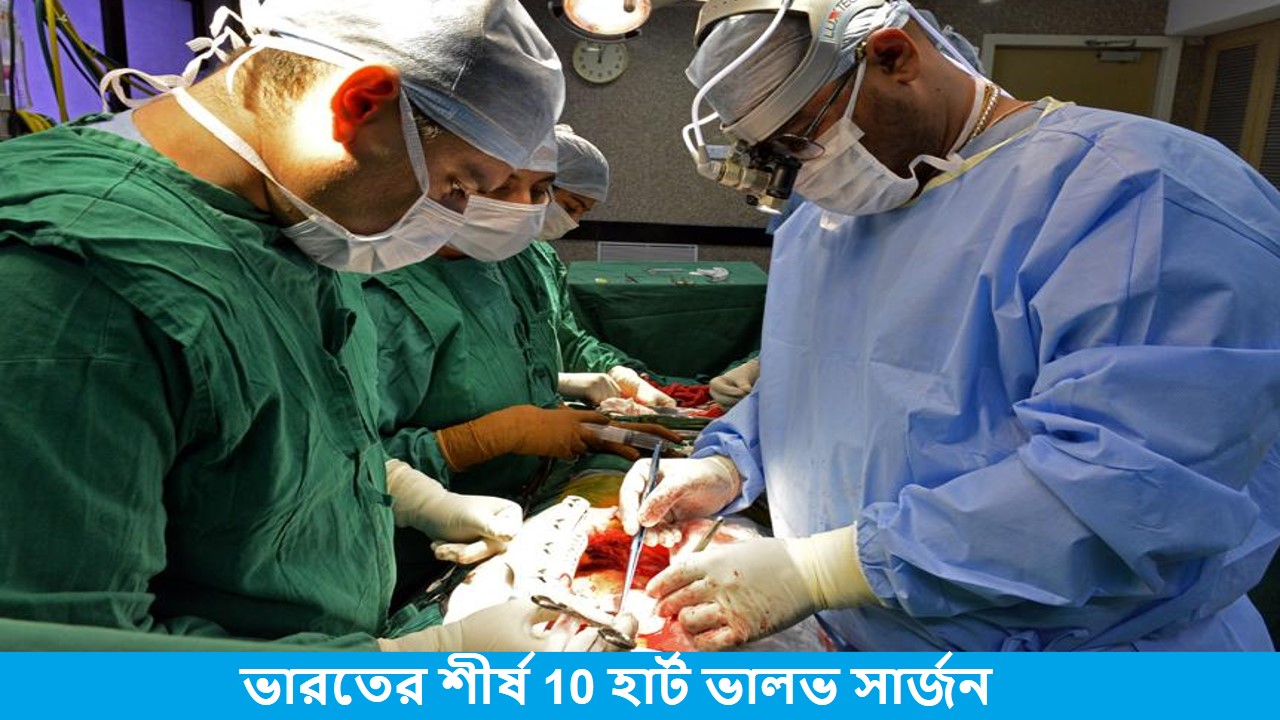
Heart Valve Replacement in India is a specialized procedure. Cardiac surgeons perform Heart Valve Replacement to replace a damaged or diseased heart valve. With a mechanical or biological (tissue) valve, restoring normal blood flow through the heart. The surgery is recommended when a heart valve is severely narrowed (stenosis) or leaking (regurgitation) and cannot be effectively repaired.
Depending on the patient’s condition, the procedure may be performed through traditional open-heart surgery or advanced minimally invasive or transcatheter techniques. Heart Valve Replacement helps improve heart function, relieves symptoms such as chest pain, breathlessness, and fatigue, and significantly enhances long-term quality of life while reducing the risk of serious heart-related complications.
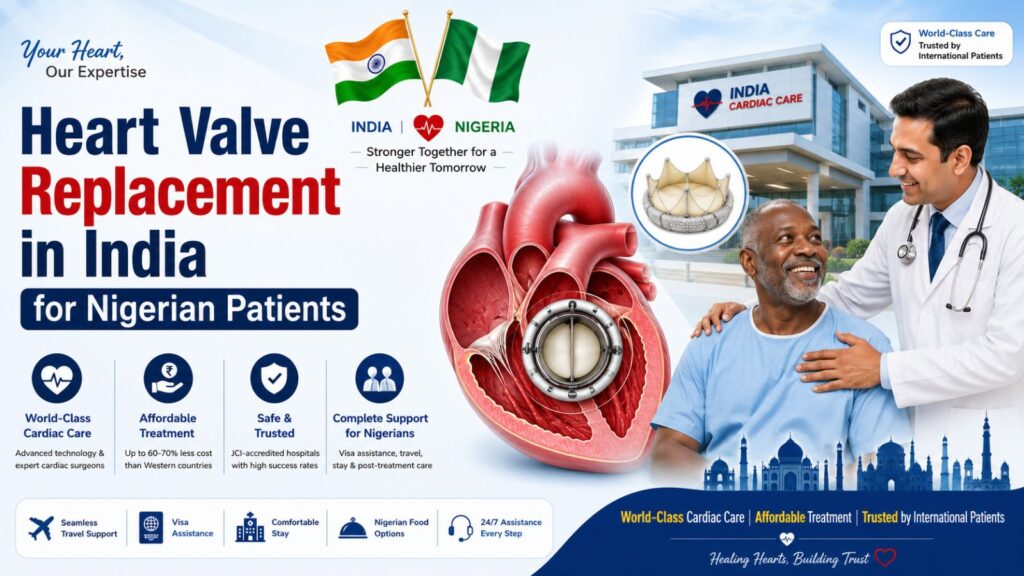
Heart Valve Replacement in India for Nigerian Patients
India is a leading destination for Heart Valve Replacement. Nigerian patients receive world-class cardiac care at affordable prices. JCI-accredited hospitals use advanced surgical techniques. These include minimally invasive and transcatheter procedures. Success rates range from 95% to 98%.
While heart valve replacement surgery is often expensive in Europe and the United States, the average cost in India ranges from USD 4,000 to USD 11,000, allowing patients to save nearly 70–80% without compromising on quality. Indian hospitals provide dedicated international patient services. These include visa assistance, airport transfers, interpreter support, and personalized care. Nigerian patients receive support from arrival to recovery.
Affordable Heart Valve Replacement in India for Nigerian Patients
An affordable, comprehensive Heart Valve Replacement package in India for Nigerian patients typically ranges from USD 4,000 to USD 9,000, covering the major medical and support services required throughout the treatment journey. The package generally includes pre-operative diagnostic tests, cardiac surgeon’s fees, operation theatre charges, anesthesia, and the cost of the heart valve prosthesis (mechanical or biological, depending on the patient’s condition).
It also covers a 5 to 7-day hospital stay, including intensive care unit (ICU) monitoring followed by recovery in a private room. Additionally, many leading Indian hospitals provide complimentary airport transfers, an e-Medical Visa invitation letter, a dedicated international patient coordinator, interpreter support, and free accommodation for one accompanying attendant, ensuring a comfortable and hassle-free experience for Nigerian patients.
Heart Valve Replacement Recovery in India for Nigerian Patients
Hospital Phase: Days 1–7
Days 1–2: Patient is closely monitored in the ICU, with ventilator support (if required), chest drains, and continuous cardiac monitoring.
Days 3–7: Shifted to a private room, begins assisted walking, breathing exercises, and gradual rehabilitation.
Day 7: Discharged from the hospital and moves to nearby accommodation for follow-up care.
Local Recovery (India): Weeks 2–3
Activities: Light walking, breathing exercises, incision care, and prescribed medications.
Medical: Regular follow-up appointments, blood tests (if a mechanical valve is implanted), and a final echocardiogram before travel.
Milestone: Cardiac surgeon evaluates recovery and provides medical clearance to return to Nigeria.
Home Recovery (Nigeria): Weeks 4–6
Activities: Gradually resumes light daily activities while avoiding heavy lifting and strenuous exercise.
Energy: Strength and stamina steadily improve as the heart continues to heal.
Medical: Routine follow-up care with a local cardiologist, including medication management and INR monitoring for patients with mechanical heart valves.
Full Recovery: Weeks 8–12
Milestone: Complete healing of the breastbone (for open-heart surgery) and improved heart function.
Activities: Returns to work, driving, and low-impact physical activities with the surgeon’s approval.
Outcome: Most patients resume a healthy, active lifestyle with improved quality of life and significantly reduced cardiac symptoms.
Factors Affecting Heart Valve Replacement Cost in India for Nigerian Patients
Surgical Technique & Technology
Open-Heart vs. Minimally Invasive/TAVR: Traditional open-heart valve replacement generally costs less, while minimally invasive or transcatheter procedures (such as TAVR/TAVI) require advanced technology and specialized equipment, increasing the overall cost.
Type of Heart Valve: The choice between a mechanical valve and a biological (tissue) valve significantly influences the final treatment cost.
Hospital Accreditation & Reputation
International Standards: JCI-accredited hospitals may charge higher fees due to their world-class infrastructure, patient safety protocols, and internationally recognized quality standards.
Hospital Location: Leading hospitals in metropolitan cities such as Delhi, Mumbai, Chennai, and Bengaluru generally have higher treatment costs than hospitals in smaller cities.
Surgeon’s Experience
Expertise: Highly experienced cardiac surgeons with extensive expertise in heart valve replacement procedures typically have higher professional fees.
Clinical Outcomes: Surgeons with consistently high success rates and experience in managing complex valve diseases often contribute to better patient outcomes.
Complexity of the Condition
Multiple Valve Replacement: Replacing more than one heart valve or performing additional procedures, such as coronary artery bypass surgery (CABG), increases the overall treatment cost.
Associated Medical Conditions: Diabetes, kidney disease, lung disorders, or other health conditions may require additional investigations, specialists, and extended medical care.
Pre- & Post-Operative Care
Diagnostic Tests: Advanced investigations, including echocardiography, CT scans, coronary angiography, and laboratory tests, add to the overall cost.
Hospital Stay: A longer ICU stay or extended hospitalization due to complications or slower recovery can increase the total treatment expenses.
Minimally Invasive Heart Valve Replacement in India for Nigerian Patients
Minimally invasive Heart Valve Replacement in India offers Nigerian patients an advanced alternative to conventional open-heart surgery, using small incisions instead of a full breastbone opening whenever clinically appropriate. Depending on the patient’s condition, experienced cardiac surgeons may perform the procedure through minimally invasive surgery or Transcatheter Aortic Valve Replacement (TAVR/TAVI) for eligible patients. These advanced techniques result in reduced blood loss, smaller scars, less post-operative pain, and a lower risk of infection compared to traditional surgery.
Most patients also benefit from a shorter hospital stay, faster recovery, and an earlier return to normal daily activities. At India’s leading JCI-accredited cardiac hospitals, Nigerian patients receive world-class treatment using state-of-the-art technology, experienced heart surgeons, and comprehensive international patient support, making India one of the preferred destinations for affordable and high-quality Heart Valve Replacement.
Top Benefits of Choosing Minimally Invasive Heart Valve Replacement
Choosing minimally invasive Heart Valve Replacement offers several important advantages over conventional open-heart surgery for eligible patients. Since the procedure is performed through small incisions or catheter-based techniques instead of a full breastbone incision, patients typically experience less surgical trauma, reduced blood loss, and a lower risk of infection.
This advanced approach also results in less post-operative pain, minimal scarring, and a shorter hospital stay. Most patients recover more quickly, resume normal daily activities sooner, and return to work earlier than with traditional surgery. For Nigerian patients traveling to India, minimally invasive heart valve replacement provides a safer, faster, and more comfortable recovery while delivering excellent long-term outcomes.
Leading Heart Valve Replacement Surgeons in India Trusted by Nigerian Patients
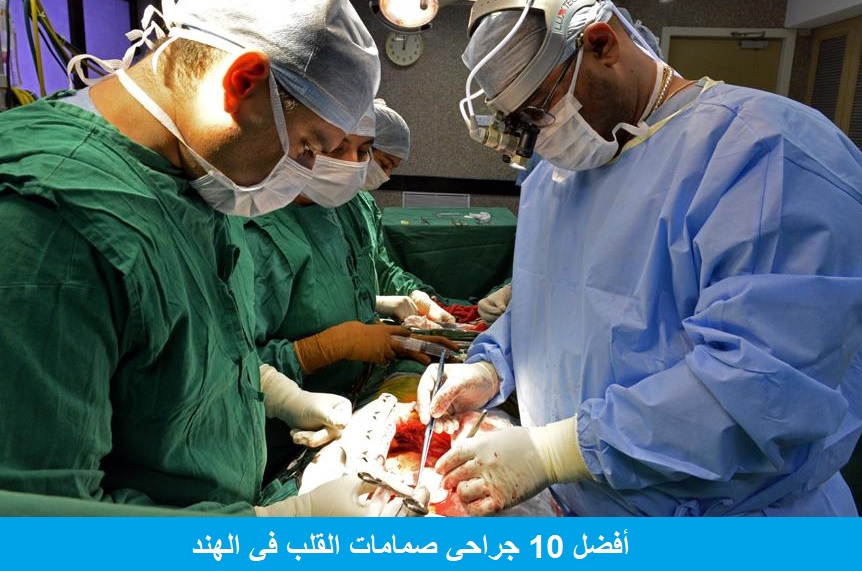
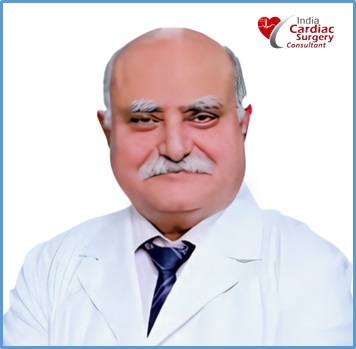
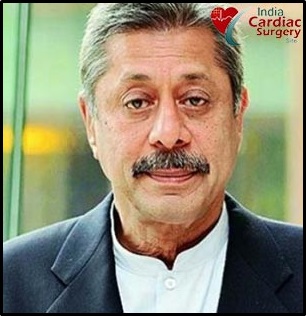
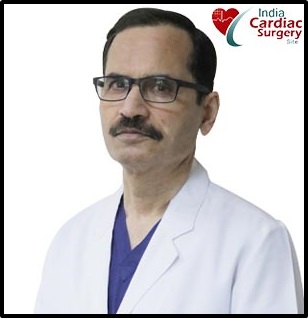
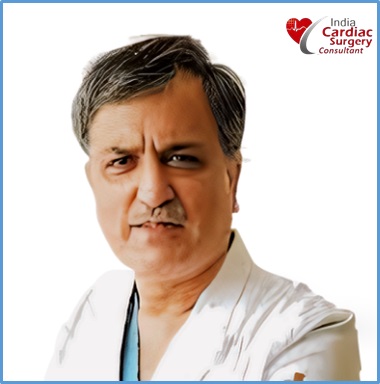
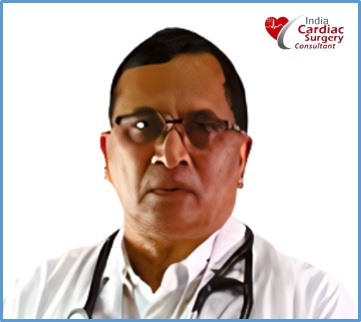
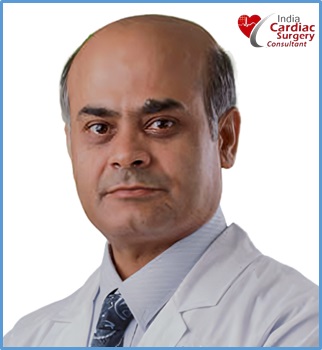
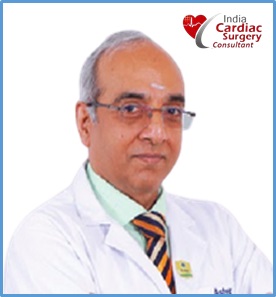
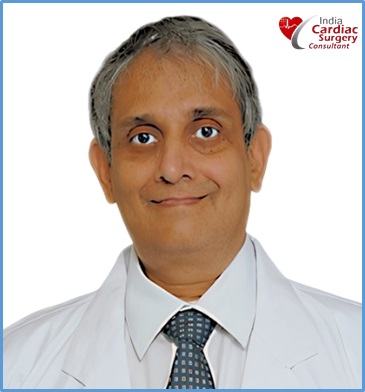
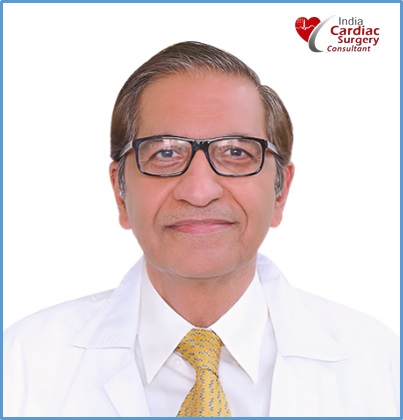
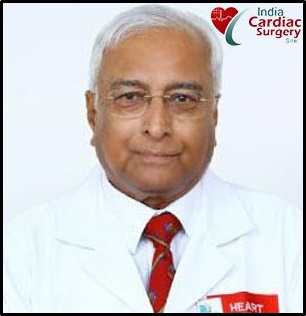
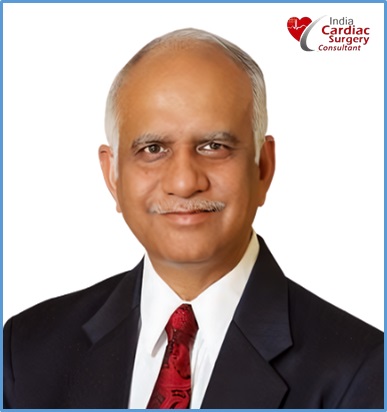
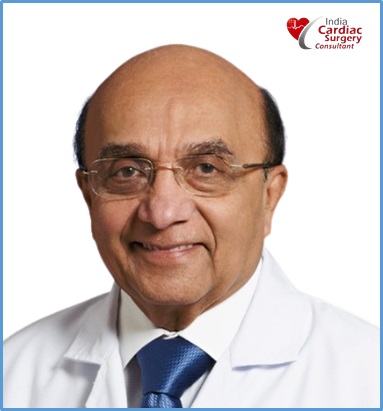
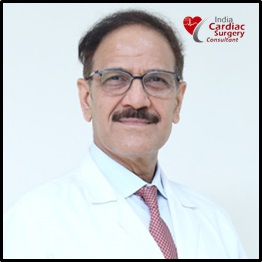
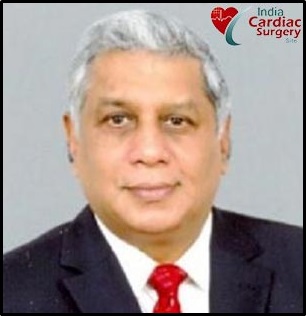
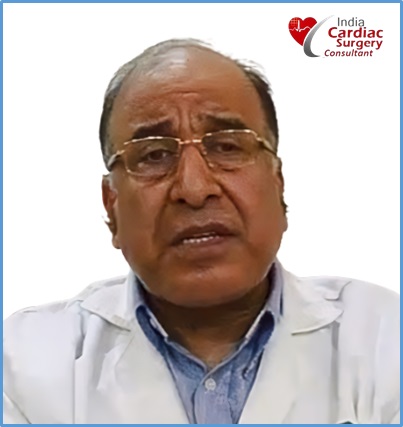
Dr. Naresh Trehan: Chairman of Medanta – The Medicity, with experience of over 48,000 cardiac surgeries. He is internationally recognized for performing complex Heart Valve Replacement procedures, minimally invasive cardiac surgery, and advanced structural heart interventions, making him a preferred choice for Nigerian patients.
Dr. K. R. Balakrishnan: Chairman of Cardiac Sciences at MGM Healthcare, Chennai. He is globally renowned for complex Heart Valve Replacement, advanced heart failure management, heart transplantation, and high-risk cardiac surgeries with excellent clinical outcomes.
Dr. Ajay Kaul: Chairman of Cardiac Sciences at Fortis Hospital, Noida. Having performed over 20,000 cardiac procedures, he specializes in Heart Valve Replacement, minimally invasive cardiac surgery, coronary artery bypass surgery (CABG), and the treatment of complex structural heart diseases.
Best Hospitals for Heart Valve Replacement in India for Nigerian Patients
India’s leading cardiac hospitals provide world-class facilities for Nigerian patients seeking Heart Valve Replacement, combining advanced technology, experienced cardiac specialists, and affordable treatment packages. These internationally recognized, JCI-accredited hospitals are equipped with state-of-the-art hybrid operating theatres, modern cardiac catheterization laboratories, and advanced minimally invasive and robotic cardiac surgery units, delivering success rates of 95% to 98%.
To make the treatment journey smooth and stress-free, hospitals offer dedicated international patient services, including medical visa invitation letters, airport transfers, accommodation assistance, interpreter support, customized meal options, and personal patient coordinators. With internationally trained surgeons, cutting-edge infrastructure, and comprehensive care for overseas patients, India has become one of the most trusted destinations for Heart Valve Replacement among Nigerian patients.
Why India Is the Best Choice for Nigerian Patients
India is one of the best destinations for Nigerian patients seeking Heart Valve Replacement, offering an ideal combination of world-class cardiac care, experienced surgeons, and cost-effective treatment. JCI-accredited hospitals provide advanced technologies, including minimally invasive and transcatheter heart valve replacement procedures, with success rates ranging from 95% to 98%.
Compared with treatment costs in Europe and the United States, patients can save 70–80% without compromising on quality or safety. English-speaking medical teams, internationally trained cardiac specialists, and dedicated international patient departments ensure a smooth treatment journey. From e-Medical Visa assistance and airport transfers to accommodation support, personalized care coordinators, and customized meal options, Indian hospitals provide comprehensive services that make Heart Valve Replacement in India a trusted and convenient choice for Nigerian patients.