Author Archives: IndiaCarBlogAdmin

Top 10 Heart Valve Surgeons in India – 2026

Heart Valve Surgeons in India

1. What is Heart Valve Replacement Surgery?

The heart has four valves that normally allow blood to flow only in one direction throughout the heart. The valve is responsible for allowing the blood rich with nutrients to flow through the chamber of the heart. Each valve after the flow of blood is supposed to close completely after ushering in blood flow. The heart valve that is improperly working isn’t always able to close the valve as they should. Leaky valve instead of closing tightly, it may remain open, letting the blood flow backward. This condition is known as regurgitation.

When a heart valve is at risk it will show up certain signs like dizziness, fatigue, chest pain, shortness of breath, light headedness, etc. This is the reason heart valve replacement surgery is suggested to patients with a leaky heart valve. The condition can occur due to age-related changes, any disorder, infection, rheumatic fever, your overall health, your heart function, etc. In some people, the damage is too advanced in that case a total replacement to the affected valve is suggested.

2. What are the types of Heart Valve Replacement Surgery?

The valve used for the replacement is the artificial component that has the same purpose as a natural heart valve. The artificial valve can last for 10-20 years. The doctor will recommend the heart valve replacement surgery on the basis of age, overall health, patients’ ability to take anticoagulant medication, and the extent of the disease.

The aortic valve is located on the left side of the heart and serves as an outflow valve. With Aortic Valve Replacement Surgery, the survival rate is 94% for five years.

  • Mitral valve replacement: It is located on the left side of the heart and serves as the inflow valve. Surgery is suggested when the valve doesn’t fully open or closes completely. There is a 91 percent chance of survival for five years.
  • Double valve replacement: In this replacement, both the mitral and aortic valve or the entire left side of the heart valve is replaced.
  • Pulmonary valve replacement: In pulmonary valve replacement that carries blood to the lungs, it needs to be replaced due to stenosis, that restricts blood flow which is caused due to congenital defect, carcinoid syndrome, or infection.

VIDEO – TOP HEART VALVE SURGEONS IN INDIA

2. Who are the Top 10 Heart Valve Surgeons in India?
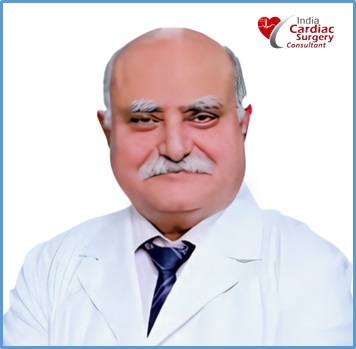
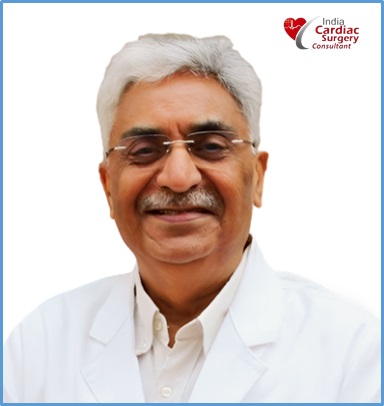
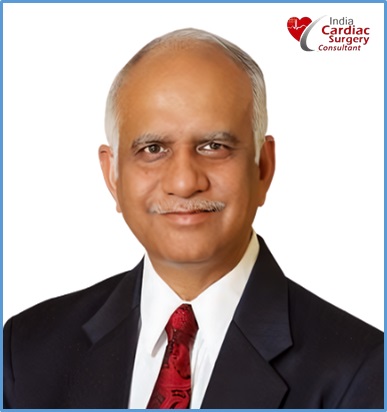
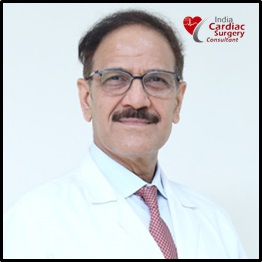
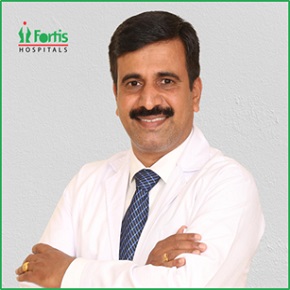
Dr. Ajay Kaul

  Dr. Ajay Kaul – Best Heart Valve Doctor in India

Education : MBBS, MS (General Surgery), M.ch. (Cardiothoracic Surgery)

Hospital : Fortis Hospital Delhi

Experience : +38 Years

Specialty : Cardiothoracic and Cardiac Surgeon

 Location : Delhi

Consult Now Whatsapp Us

Dr. Ajay Kaul is indexed amongst the top cardiac surgeons of the country and has a significant surgical experience of over 20,000 cardiac surgical procedures.He’s broadly mentioned for his expertise in treating total arterial coronary bypass surgical treatment, pediatric cardiac surgery, valve replacement,structural coronary heart ailment, and surgical operation for cardiac failure. He is trained for hearts transplants, ventricular assist system and has huge experience of performing hybrid cardiac surgical procedures. He has also completed over 5000 minimally invasive cardiac surgical procedure, interventions for structural coronary heart disease, peripheral vascular and endovascular stent placement, transcatheter aortic valve replacement, transcatheter mitral valve replacementtransplants and left ventricular assist system.
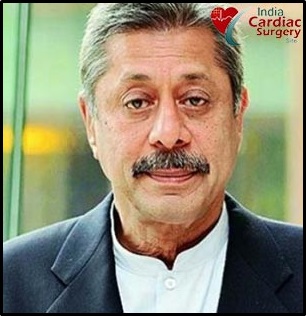
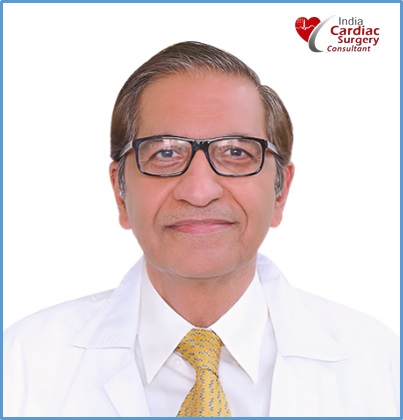
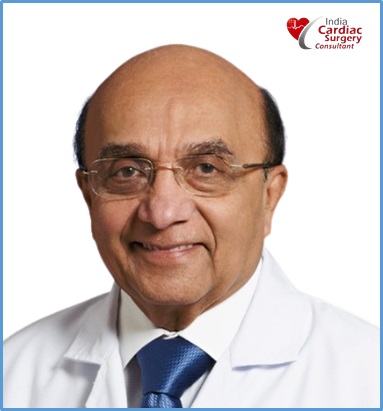
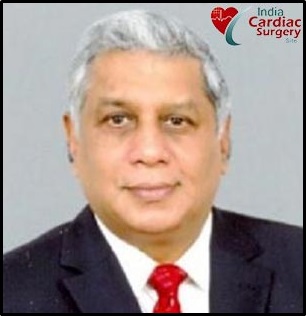
Dr. Naresh Trehan

  Dr. Naresh Trehan – Best Heart Valve Surgeon in India

Education : MBBS, Diploma in Cardiology, Diplomate- Cardiothoracic surgery

Hospital : Medanta Hospital Gurgaon

Experience : +52 Years

Specialty : Cardiothoracic and Cardiovascular Surgeon

Location : Gurgaon

Consult Now Whatsapp Us

Dr. Naresh Trehan is one of the most renowned cardiac surgeons, who has trained and practiced at New York University Medical Centre Manhattan USA. He is the Chairman & Managing Director, Medanta – The Medicity Gurgaon and is also recognized by the American board of surgery and the American Board of cardiothoracic surgery. Dr. Trehan has received prestigious awards for his successful work, including the Padma Shree Award and the Padma Bhushan Award presented by the Government of India. He has received an honorary doctorate degree from three prestigious universities. Dr. Trehan is well known for his work globally.
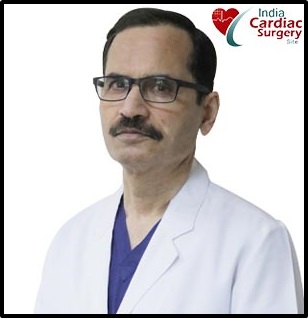
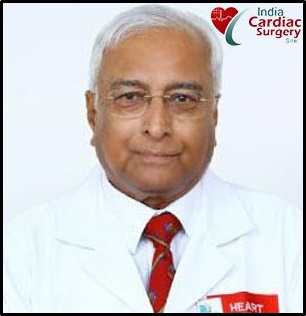
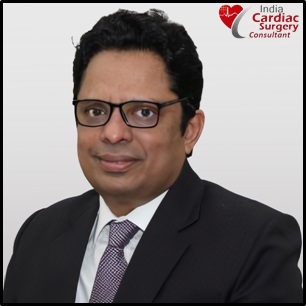
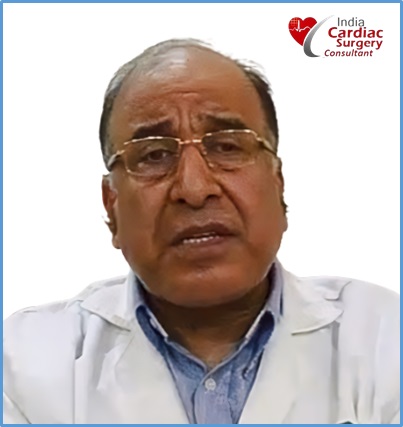
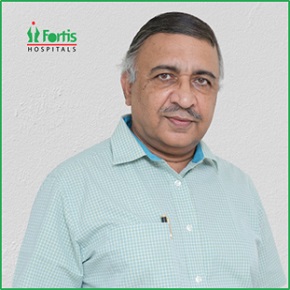
Dr. Z S Meharwal

 Dr. Z S Meharwal – Top Heart Valve Replacement Surgeon in India

Education : MBBS, MS – General Surgery, MCh – Cardio Thoracic and Vascular Surgery

Hospital : Fortis Hospital Delhi

Experience : +42 Years

Specialty : Cardiothoracic and Vascular Surgeon

Location : Delhi

Consult Now Whatsapp Us

Dr. Z S Meharwal is the best cardiothoracic and vascular surgeon with vast experience has performed more than 20,000 complex cardia procedures. He is the Executive Director Cardio Thoracic Vascular Surgery at Fortis Escorts Heart Institute, Delhi. He was awarded President Award for his contribution in the field cardiac surgery. He has been actively involved with teaching and training for cardiac surgeries. Dr. Meharwal has been doing social services and has been organizing free cardiac camps across the country.His humanity and excellen make his name in the list of top cardiac surgeons in India.
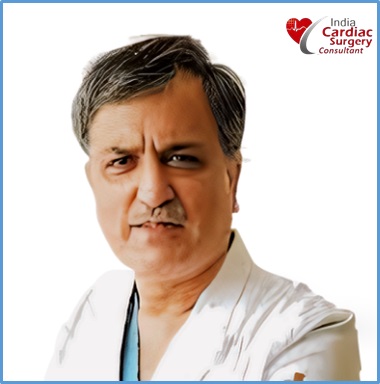
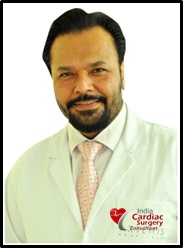
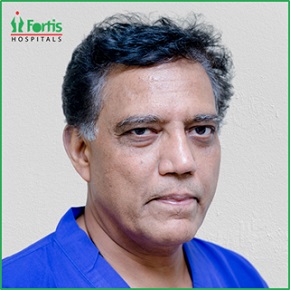
Dr. Anil Bhan

 Dr. Anil Bhan – Top Heart Valve Surgeons in India

Education : MBBS, MS – General Surgery, M.ch – Cardio Thoracic and Vascular

Hospital : Medanta Hospital Gurgaon

Experience : +42 Years

Specialty : Cardiothoracic and Cardiovascular Surgeon

Location : Gurgaon

Consult Now Whatsapp Us

Dr. Anil Bhan is the best cardiovascular surgeon and Chairman of Cardiac Surgery, Medanta Heart Institute Gurugram. Best outgoing graduate Gold medalist from medical college Srinagar. He possesses the largest experience in Aortic valve surgery in India, and he has even designed and developed more than 50 surgical instruments in his entire field of cardiac surgery. Dr. Anil Bhanis dedicated to valve replacement surgery in India and has performed more than 15,000 cardiac and vascular surgeries with excellent outcomes..
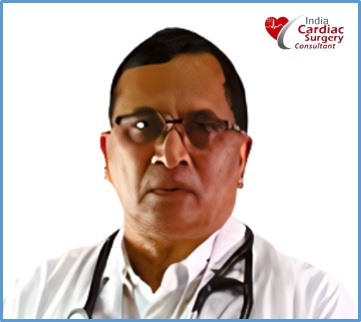
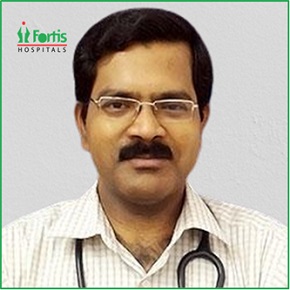
Dr. Bhaba Nanda Das

 Dr. Bhaba Nanda Das – Best Heart Valve Replacement Surgeon in India

Education : MBBS, MS – General Surgery, MCh – Cardio Thoracic and Vascular Surgery

Hospital : Apollo Hospital Delhi

Experience : +36 Years

Specialty : Cardiothoracic Surgeon

Location : Delhi

Consult Now Whatsapp Us

Dr. Bhaba Nanda Das is a Chief Cardiac Surgeon (CTVS) at Apollo Hospital Delhi and is known for his excellent work. He has dedicated his part of life to treat people with different heart problems, and that makes him a specialist with more than 36+ years of dedicated work. His field of expertise includes CABG beating heart, Aortic aneurysm surgery, Double Valve Replacement, Mitral Valve Replacement, Aortic Valve Replacement, All types of Congenital Anomalies & Intra Cardiac Repair. Till now Dr. Nanda performed more than 21,000 heart surgery and at present doing around 800 cases every year.
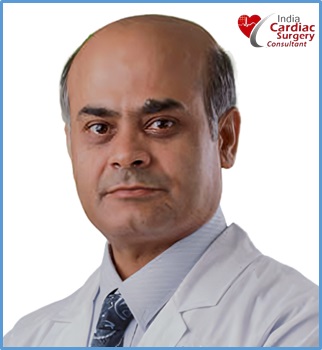
Dr. Devananda N.S

 Dr. Devananda N.S – Best Cardiac Valve Doctor in India

Education : MBBS, MS – General Surgery, MCh – Cardio-Thoracic Surgery

Hospital : Manipal Hospital Bangalore

Experience : +34 Years

Specialty : Cardiologist and Cardiothoracic Surgeon

Location : Bangalore

Consult Now Whatsapp Us

Dr. Devananda expert cardiothoracic surgeon at Manipal Hospital Bangalore, He has performed more than 7000 pediatric and adult surgeries and is continuing the record with his success. He has made his name renowned after performing the complex surgery varying from 1-day old infant weighing 900 gms to a 90 years old patient. He has also successfully removed a PNET tumor from the heart. Dr. Devananda holds expertise in performing Aortic Aneurysm Surgery, Complex Valve Surgery and Repair, Minimally Invasive Cardiac Surgery, Beating Heart CABG, Neonatal, Infant, Paediatric Cardiac Surgery, Heart Transplants, and Ventricular Assist Devices. He treats patients so precisely that many patients notice a substantial difference in their symptoms almost immediately after their procedures.
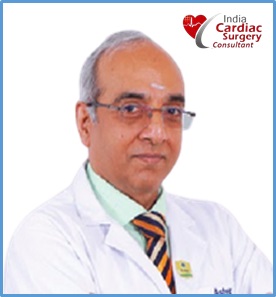
Dr. Ganeshakrishnan Iyer

 Dr. Ganeshakrishnan Iyer – Top Heart Valve Doctors in India

Education : MBBS, MS – General Surgery, MCh – Cardio Thoracic and Vascular Surgery

Hospital : Aster CMI Hospital Bangalore

Experience : +35 Years

Specialty : Cardiothoracic and Vascular Surgeon

Location : Bangalore

Consult Now Whatsapp Us

Dr. Ganesh Krishnan Iyer is well known Cardiothoracic and Vascular Surgeon at Aster CM Hospital Bangalore. Dr. Ganesh Iyer have 35+ years of experience in the field. He performed over 12,000 open heart surgeries and continues the count. In his illustrious career, he has performed complex adult and pediatric heart surgeries. He has special acumen for Mitral Valve Repair, Minimally Invasive Cardiac Surgery, Aortic Aneurysm, Aortic Valve Sparing Procedure, and Surgery for Atrial Fibrillation.
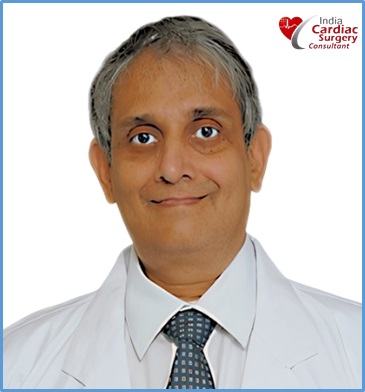
Dr. K R Balakrisnan

 Dr. K R Balakrisnan – Best Cardiac Valve Specialist in India

Education : MBBS, MS – General Surgery, MCh – Thoracic Surgery

Hospital : Fortis Malar Hospital Chennai

Experience : 45+ Years

Specialty : Cardiologist & Cardiothoracic surgeon

Location : Chennai

Consult Now Whatsapp Us

Dr. K R Balakrishnan is a reputed expert in the management of end-stage heart failure and credited with India’s First LVAD and HVAD pump implant as destination therapy. He is instrumental in starting India’s First Comprehensive Centre for Heart Failure Management at Fortis Malar Hospital at Chennai. DrBalakrishnan is also actively engaged with various institutions to develop continuous flow LVADs (Left Ventricular Assist Device), Pulsatile and molecular biology of ventricular hypertrophy. Besides this, Dr Balakrishnan has extensive expertise in treating the complex Congenital Heart Disease like common AV Canal, repair of TAPVR, switches in infancy and in the use of homograft conduits arterial. He also performs other routine cardiac surgeries like Valve Heart procedures, including aortic root replacement, repair & replacement, and Ross procedure.
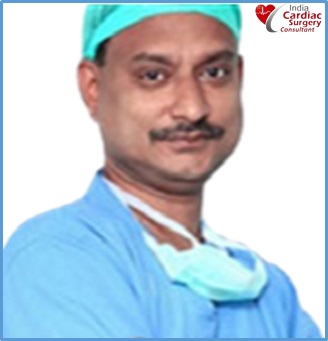
Dr. Srinath Vijayasekharan

 Dr. Srinath Vijayasekharan – Top Heart Valve Specialists in India

Education : MBBS, MS (General Surgery), DNB in Cardiothoracic Surgery

Hospital : Rela Hospital ,Chennai

Experience : +21 Years

Specialty : Cardiothoracic Surgeon

Location : Chennai

Consult Now Whatsapp Us

Dr. Srinath Vijayasekharan is well known top cardiothoracic surgeon at Rela Hospital ,Chennai. He has expertise in Coronary artery disease (artery blockage), Valvular insufficiency (leaking or regurgitation), Valvular stenosis (blocked or narrowed valves), and Congestive heart failure (ineffective heart muscle). His medical interest lies in adult cardiothoracic surgery & transplants,VAD implementation, and ECMO initiation and removal. Dr. Vijayasekharan is an active member of the Indian Medical Association (IMA). Some of the provided by the doctor are Invasive Cardiac, Cardiac Pacing, Balloon Mitral Valvuloplasty, TOF corrections, and Intra –Arterial Thrombolysis.
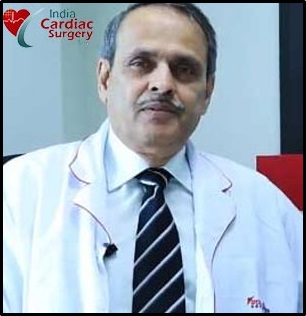
Dr. Suresh Joshi

 Dr. Suresh Joshi – Top Doctor for Cardiac Valve Surgery in India

Education : MBBS, MS – General Surgery, MCh – Cardio Thoracic Surgery

Hospital : Jaslok Hospital Mumbai

Experience : +42 Years

Specialty : Cardiologist

Location : Mumbai

Consult Now Whatsapp Us

Dr. Suresh Joshi is reputed Cardiologist in Mumbai and has contributed his part of life in people’s health for heart. He is the Director of the Dept. of CVTS at Jaslok Hospital Mumbai. Dr Suresh Joshi expertise in field of Aortic Aneurysm Operations, Complex Heart valve repair, replacement operations and Invasive Heart Surgery in India. He has been attached to many esteemed institutes in Mumbai like the Breach Candy Hospital, Lilavati Hospital and Research Centre, Nanavati Hospital and Saifee Hospital. He has trained in Australia at the Royal Children Hospital Melbourne under Dr.Roger Mee and followed it up with training at the Royal Alfred Hospital, Melbourne and StVincent’s Hospital, Sydney..
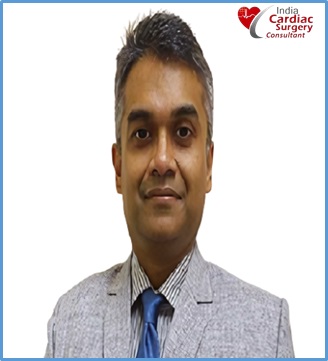
Dr. Hemant Pathare

 Dr. Hemant Pathare -Best Surgeon for Heart Valve in India

Education : MBBS, MS – General Surgery, MCh – Thoracic Surgery

Hospital : Jaslok Hospital Mumbai

Experience : +32 Years

Specialty : Cardiologist & Cardiothoracic Surgeon

Location : Mumbai

Consult Now Whatsapp Us

Dr. Hemant Pathare’s has a special interest in Heart & Lung Transplant Surgery, and has experience of 32+ years in this field.Dr. Hemant Pramod Pathare is known to be one of the best Cardiovascular Heart and Lung Transplant Surgeon in the Heart Institute of Jaslok Hospital Mumbai India. Dr. Pathare is highly qualified and extensively trained in performing some of the most challenging heart and lung transplant surgeries. His training has been from some of the best and topmost international institutes in the world. With an experience of more than 24 years as a cardiac surgeon, he is undoubtedly oneof the finest surgeons for heart and lung transplants in Mumbai, India..

BOOK AN IMMEDIATE APPOINTMENT WITH OUR TOP HEART VALVE SURGEONS FROM INTERNATIONAL STANDARD HOSPITALS AND GET FREE NO-OBLIGATION QUOTE FOR YOUR HEART CARE.

SEND REPORTS ON EMAIL-enquiry@indiacardiacsurgerysite.com

REACH OUT TO US ON PHONE NUMBER – +91-9370586696

4. Can I Refer To The Success Story Of Old Patients On Your Website?

Yes, you can refer to our successful patient story as we understand your confusion and need for surgery. Being an international patient, we know your concern, to help you get a rough idea about the services and treatment you will be receiving, we present to you the success story of our patient.

Click Here To Read Full Patient Story
Valve Replacement Surgery

5. Why Should I Select My Doctors and Hospitals Through the India Cardiac Surgery Site Website?

Indian Cardiac Surgery Site is a network of top medical hospitals and the best surgeon around India, we provide you with-

  • The world’s highest standards of clinical care and surgery
  • Quick medical visa facilities
  • Safe and comfortable accommodation
  • Modernized medical infrastructure
  • Trained and Experienced staff
  • Fully Equipped Hospitals with Technologies and safety
  • 24*7 Nursing Care
  • Zero Waiting Time for Surgery
  • Highly affordable treatment cost

GET THE BEST OF MEDICAL CARE WITH OUR DOMESTIC AND INTERNATIONAL PACKAGES FOR SAFER VALVE REPLACEMENT SURGERY IN INDIA.
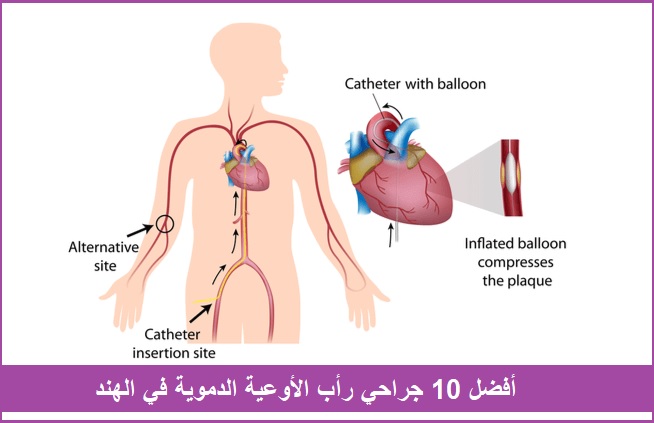
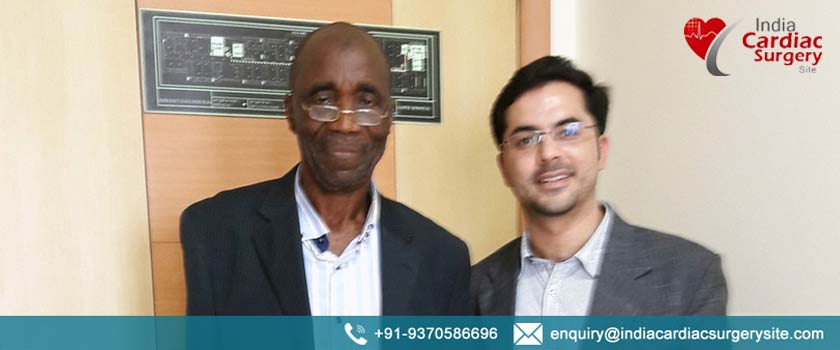
Heart Valve Surgery In India For Nigerian Patient

Heart valve surgery in india is a critical medical procedure aimed at repairing or replacing damaged heart valves, which play a vital role in maintaining proper blood flow within the heart. This surgery is often necessary for patients suffering from conditions such as valve stenosis or regurgitation, which can lead to serious complications if left untreated. The procedure can be performed using traditional open-heart techniques or minimally invasive approaches, depending on the patient’s specific condition and overall health. Successful heart valve surgery can significantly improve a patient’s quality of life, alleviate symptoms, and enhance long-term heart function.

Heart Valve Surgery in India for Nigerian Patients

  • Affordability: The cost in India is roughly 70-80% lower than in Western countries and significantly more accessible than private care in Nigeria for complex cases.

  • High Success Rates: Leading Indian hospitals report a 95-98% success rate for valve replacements and repairs, utilizing advanced minimally invasive techniques (keyhole surgery) that reduce recovery time.

  • World-Class Infrastructure: Many Indian hospitals are JCI and NABH accredited, ensuring international standards of safety, hygiene, and technology equivalent to the best hospitals in the US or UK.

  • Ease of Travel: There is a streamlined Medical Visa (e-Med Visa) process for Nigerian citizens, and many hospitals provide complimentary airport pick-up and drop-off in cities like Delhi, Mumbai, and Chennai.

  • No Waiting Period: Unlike many public health systems, Indian private hospitals offer immediate scheduling for surgery, which is critical for patients with worsening valve stenosis or regurgitation.

Affordable Heart Valve Surgery India Package for Nigerian Patients

India offers a comprehensive and cost-effective heart valve surgery package specifically designed for Nigerian patients seeking high-quality medical care. This package encompasses a range of essential services, including pre-operative consultations, advanced diagnostic tests, the surgical procedure itself, and post-operative care, ensuring a seamless experience from start to finish. Patients will benefit from the expertise of highly qualified cardiologists and surgeons, state-of-the-art medical facilities, and personalized care tailored to their individual needs. Additionally, the package may include accommodation arrangements, airport transfers, and assistance with visa processing, making it easier for patients to focus on their recovery.

Heart Valve Surgery Recovery for Nigerian Patients

Week 1: Initial Recovery Phase During the first week post-surgery, patients will typically experience fatigue and discomfort as their bodies begin to heal. It is crucial to follow the medical team’s instructions regarding pain management and mobility. Regular follow-up appointments will be scheduled to monitor recovery progress and address any concerns.

Week 2: Increased Activity and Monitoring By the second week, many patients will notice a gradual improvement in their energy levels and a reduction in pain. Physical therapy may be introduced to help strengthen the heart and improve overall endurance. It is also important to watch for any signs of infection or unusual symptoms, which should be reported to healthcare providers promptly.

Week 3: Transition to Normalcy In the third week, patients often feel significantly better and may resume more normal activities, although strenuous exercise should still be avoided. Continued support from family and healthcare professionals is essential to ensure a smooth transition back to daily life and to reinforce adherence to recovery protocols.

Factors Affecting Robotic Heart Valve Surgery in India Cost for Nigerian Patients

1. Type of Robotic System

  • Imported Systems: Use of the American-made Da Vinci system is the standard in major hospitals but carries higher operational costs.

  • Indigenous Systems: As of 2026, the SSI Mantra (India’s first homegrown surgical robot) has reduced costs for many procedures to roughly one-third of Western counterparts, providing a more affordable option for international patients. 

2. Choice of Heart Valve

  • Mechanical Valves ($1,000 – $2,500): These are more durable but require lifelong, expensive blood-thinning medications and regular monitoring.

  • Biological/Tissue Valves ($700 – $2,000): While initially cheaper and not requiring lifelong blood thinners, they typically last 10–15 years and may necessitate a second surgery for younger patients.

  • Imported vs. Indigenous: Using high-end imported valves can significantly increase the “consumables” portion of your hospital bill. 

3. Hospital Location and Accreditation

  • City Selection: Surgery in metropolitan hubs like Mumbai or New Delhi is generally more expensive due to higher overheads compared to cities like Chennai, Bangalore, or Hyderabad.

  • Accreditation: Hospitals with JCI (Joint Commission International) accreditation often charge a premium as they adhere to the highest global safety and quality standards required by international patients.

4. Surgeon Expertise

  • Robotic surgery requires highly specialized training. Fees for top-tier robotic cardiac surgeons—those with a history of 200+ successful robot-assisted procedures—are higher than for those less experienced in robotic techniques. 

Minimally Invasive Heart Valve Surgery in India for Nigerian Patients

Minimally invasive heart valve surgery in India offers Nigerian patients a promising option for cardiac care. This advanced surgical technique reduces recovery time and minimizes scarring compared to traditional methods, making it an attractive choice for those seeking effective treatment. With state-of-the-art medical facilities and experienced surgeons, India has become a leading destination for patients from Nigeria looking for high-quality heart valve procedures at competitive costs.

Benefits of Minimally Invasive Heart Valve Surgery

Minimally invasive heart valve surgery offers several advantages over traditional surgical methods. This approach typically results in reduced recovery times, less postoperative pain, and smaller incisions, which can lead to decreased scarring. Patients often experience shorter hospital stays and a quicker return to normal activities, enhancing their overall quality of life. Additionally, the lower risk of complications associated with minimally invasive techniques makes it a preferred option for many individuals requiring heart valve repair or replacement.

Best Heart Valve Surgeons in India for Nigerian Patients

For Nigerian patients seeking heart valve surgery, India has emerged as a premier destination, renowned for its advanced medical facilities and highly skilled heart valve surgeons. The country boasts a plethora of top-tier cardiac specialists who are well-versed in the latest surgical techniques and technologies, ensuring that patients receive world-class care. The combination of affordability and high-quality medical services further enhances India’s appeal, allowing Nigerian patients to access life-saving treatments without the financial burden often associated with such procedures in their home country.

Best Heart Valve Surgery Hospitals in India for Nigerian Patients

India has emerged as a leading destination for heart valve surgery, attracting numerous patients from Nigeria seeking high-quality medical care at competitive prices. The country boasts several renowned hospitals equipped with state-of-the-art technology and staffed by highly skilled cardiologists and cardiac surgeons who specialize in complex heart procedures. Facilities such as Fortis Escorts Heart Institute in New Delhi, Apollo Hospital in Chennai, and Narayana Health in Bangalore are particularly noted for their advanced surgical techniques and comprehensive post-operative care.

Conclusion

Heart valve surgery is a critical procedure aimed at correcting issues related to heart valves, which can significantly impact overall cardiovascular health. This surgery can involve repairing or replacing damaged valves, thereby improving blood flow and reducing symptoms associated with valve dysfunction. Successful outcomes often lead to enhanced quality of life for patients, allowing them to return to normal activities with greater ease.

Bentall Procedure Cost India : Why Patients Choose India ?

What Is the Bentall Procedure and When Is It Needed?

The Bentall procedure treats serious problems of the aortic valve and aortic root. Doctors perform this surgery for conditions like aortic aneurysm, aortic regurgitation, and Marfan Syndrome.

During the surgery, doctors remove the damaged aortic valve and the diseased part of the aorta. They replace them with a composite graft that contains a mechanical or biological valve. This surgery restores normal blood flow from the heart.

Doctors recommend this procedure when patients face a high risk of rupture or Aortic Dissection.

Conditions Treated with the Bentall Procedure In India

In India, the Bentall procedure is primarily used to treat serious conditions affecting the aortic valve and the aortic root.

  • Aortic Root Aneurysm: This condition causes abnormal swelling in the base of the aorta. Doctors treat it to prevent rupture.

  • Aortic Dissection: A tear develops in the inner wall of the aorta. Doctors perform urgent surgery to save the patient.

  • Aortic Regurgitation: The aortic valve fails to close properly. This problem causes backward blood flow.

  • Genetic Disorders: Conditions such as Marfan Syndrome weaken the aortic wall.

  • Congenital Defects: Some patients have a Bicuspid Aortic Valve from birth. This defect damages the aortic root over time.

  • Aortic Infections: Severe infections like Infective Endocarditis damage the valve and surrounding tissue.

Bentall Procedure Cost in India

The Bentall procedure cost in India ranges between ₹3,00,000 and ₹8,00,000.

Several factors influence the total cost. Hospitals with advanced technology often charge higher fees. Experienced cardiac surgeons may also charge higher professional fees.

Several factors affect the total cost of the Bentall procedure.

Hospital Facilities
Modern hospitals use advanced surgical equipment and technology.

Surgeon Experience
Experienced cardiothoracic surgeons perform complex heart surgeries with high success rates.

Patient Condition
Doctors may recommend additional tests for complicated cases.

Pre- and Post-Operative Care
Patients require medicines, monitoring, and follow-up visits after surgery.

Is the Bentall Procedure In India Cheaper Than in Other Countries?

India offers this complex heart surgery at a much lower price than many Western countries.

Hospitals maintain international treatment standards and modern technology. At the same time, healthcare costs remain affordable.

Many international patients travel to India for high-quality and cost-effective cardiac surgery.

How Successful Is the Bentall Procedure In India?

Cardiac surgeons in India perform the Bentall procedure with high success rates.

Doctors use advanced surgical techniques and modern cardiac technology. These improvements increase safety and recovery outcomes.

Many patients experience better heart function and improved quality of life after surgery.

Why Do Patients Choose the Bentall Procedure In India?

Patients often opt for the Bentall procedure in India due to a combination of factors that include the country’s advanced medical infrastructure, the expertise of its cardiac surgeons, and the affordability of healthcare services. The Bentall procedure, which is a complex surgical intervention designed to treat aortic valve disease and aortic aneurysms, requires a high level of skill and precision. India boasts a number of renowned hospitals equipped with state-of-the-art technology and staffed by highly trained professionals who specialize in cardiac surgery. Additionally, the cost of the procedure in India is significantly lower than in many Western countries, making it an attractive option for both domestic and international patients seeking quality care without the financial burden.

Dr. Rajneesh Malhotra: Expert in Advanced Cardiac Surgery in Delhi

Overview:

Minimally invasive heart surgeries represent a significant advancement in cardiac care, offering patients a less traumatic alternative to traditional open-heart procedures. These techniques typically involve smaller incisions, which can lead to reduced pain, shorter recovery times, and lower risk of complications. By utilizing advanced technologies such as robotic assistance and video-assisted thoracoscopic surgery, surgeons can perform complex operations with greater precision and control. As a result, patients often experience quicker returns to their daily activities and improved overall outcomes, making minimally invasive approaches an increasingly popular choice in the field of cardiology.

Why choose Dr. Rajneesh Malhotra for advanced cardiac surgery in Delhi?

When considering advanced cardiac surgery in Delhi, Dr. Rajneesh Malhotra stands out as a premier choice due to his extensive expertise and commitment to patient care. With years of specialized training in cardiothoracic surgery, Dr. Malhotra has honed his skills in performing complex procedures, ensuring that each patient receives the highest standard of medical attention. His approach is characterized by a thorough understanding of the latest surgical techniques and technologies, which he integrates into his practice to enhance patient outcomes.

Furthermore, Dr. Malhotra is known for his compassionate demeanor, taking the time to explain procedures and address any concerns, thereby fostering a trusting relationship with his patients. His affiliation with leading hospitals in Delhi, combined with a track record of successful surgeries, reinforces his reputation as a reliable and skilled surgeon in the field of cardiac care. Choosing Dr. Malhotra means opting for a dedicated professional who prioritizes both the technical and emotional aspects of patient treatment, ensuring a holistic approach to cardiac health.

What makes Dr. Rajneesh Malhotra leading cardiac surgeon at Max Healthcare?

Dr. Rajneesh Malhotra stands out as a preeminent cardiac surgeon at Max Healthcare due to his extensive expertise, innovative techniques, and unwavering commitment to patient care. With years of specialized training and experience in the field of cardiology, he has honed his skills in performing complex cardiac procedures, which has earned him a reputation for excellence among both peers and patients.

His approach to surgery is characterized by a meticulous attention to detail and a deep understanding of the latest advancements in medical technology, allowing him to achieve remarkable outcomes in even the most challenging cases. Furthermore, Dr. Malhotra is dedicated to fostering a compassionate environment, ensuring that his patients feel supported and informed throughout their treatment journey.

How does Dr. Rajneesh Malhotra perform minimally invasive heart surgeries?

Dr. Rajneesh Malhotra employs advanced techniques in minimally invasive heart surgery, which significantly reduce recovery time and minimize trauma to the patient. His approach typically involves the use of small incisions, often less than an inch in length, which allows for the insertion of specialized instruments and a camera to guide the surgical procedure. This technique not only decreases the risk of infection and scarring but also enhances the precision of the surgery, as the camera provides a magnified view of the heart’s structures.

Dr. Malhotra utilizes state-of-the-art technology, including robotic-assisted systems, which enable him to perform complex procedures with greater accuracy and control. Additionally, he emphasizes a thorough preoperative assessment and personalized care plans, ensuring that each patient receives tailored treatment that aligns with their specific medical needs. Post-surgery, patients benefit from shorter hospital stays and quicker return to normal activities, reflecting the effectiveness of Dr. Malhotra’s minimally invasive methods in cardiac care.

Why consult Dr. Rajneesh Malhotra for complex heart surgery treatment?

When considering complex heart surgery, consulting Dr. Rajneesh Malhotra is a prudent choice due to his extensive expertise and commitment to patient care. Dr. Malhotra is renowned for his proficiency in advanced cardiac procedures, having accumulated years of experience in handling intricate cases that require a high level of skill and precision. His approach is characterized by a thorough assessment of each patient’s unique condition, ensuring that tailored treatment plans are developed to optimize outcomes.

Furthermore, Dr. Malhotra is dedicated to staying at the forefront of medical advancements, regularly engaging in continuing education and research to incorporate the latest techniques and technologies into his practice. Patients benefit not only from his technical abilities but also from his compassionate demeanor, which fosters a supportive environment where individuals feel informed and empowered throughout their surgical journey. Choosing Dr. Malhotra for complex heart surgery means entrusting your care to a specialist who prioritizes both clinical excellence and patient well-being.

What cardiac procedures are performed by Dr. Rajneesh Malhotra in Delhi?

Dr. Rajneesh Malhotra, a prominent cardiologist based in Delhi, specializes in a wide array of cardiac procedures aimed at diagnosing and treating various heart conditions. His expertise encompasses interventional cardiology, where he performs procedures such as angioplasty and stent placement to open blocked arteries, thereby improving blood flow to the heart.

Additionally, he is skilled in conducting electrophysiological studies and ablations to manage arrhythmias, as well as performing coronary artery bypass grafting (CABG) for patients with severe coronary artery disease. Dr. Malhotra also focuses on non-invasive techniques, including echocardiography and stress testing, to assess cardiac function and guide treatment plans. His comprehensive approach ensures that patients receive tailored care, addressing both immediate concerns and long-term heart health.

How can I schedule an appointment with Dr. Rajneesh Malhotra?

The India cardiac surgery service is committed to facilitating medical treatment within India, ensuring that patients have access to high-quality healthcare at leading medical facilities throughout the country. As a prominent provider in the healthcare sector, the India cardiac surgery service arranges appointments with Dr. Rajneesh Malhotra at Max Hospital in Delhi.

The organization provides comprehensive assistance for both successful and affordable cardiac surgeries in India. It ensures fair pricing for all medical procedures, treating both domestic and international patients impartially. With a strong commitment to patient care, the India cardiac surgery service supports individuals throughout their entire journey, prioritizing their safety and well-being until they return home. The organization is driven by its commitment to improving patient health.

Pacemaker Surgery Cost In India: Types,Cost Breakdown & Factors

Overview:

Pacemaker implant surgery treats irregular heart rhythms by placing a small electronic device (pacemaker) under the skin, usually near the collarbone. The device regulates the heart’s electrical activity and maintains a steady heartbeat.

Doctors usually perform the procedure under local anesthesia through a small incision. They guide leads into the heart and connect them to the pacemaker. Most patients recover quickly and resume normal activities within a few days. Regular follow-ups help doctors monitor device function and ensure long-term rhythm stability.

Pacemaker Implant Surgery India – When Is It Needed?

Pacemaker implantation becomes necessary when patients develop serious heart rhythm disorders, especially bradycardia (an abnormally slow heart rate). This condition can cause fatigue, dizziness, fainting, breathlessness, or heart failure symptoms. A pacemaker restores an adequate heart rate and improves blood circulation.

Cardiologists recommend pacemaker implantation after a detailed evaluation that includes ECG, Holter monitoring, and symptom assessment. Doctors also advise pacemakers for heart block, sick sinus syndrome, or conduction problems after cardiac surgery.

What Is the Cost of Pacemaker Implant Surgery in India?

The Pacemaker surgery Cost in India can vary significantly based on several factors, including the type of pacemaker used, the hospital’s location, and the surgeon’s expertise. On average, the total expenses for the procedure, which typically includes pre-operative assessments, the surgery itself, and post-operative care, can range from approximately INR 1,00,000 to INR 3,00,000.

This price range may encompass both government and private healthcare facilities, with private hospitals generally charging higher fees due to advanced technology and better amenities. Additionally, the cost may also be influenced by the patient’s specific medical condition, the need for any additional treatments, and the duration of the hospital stay.

Factors Affecting the Cost of Pacemaker Implant Surgery in India

Primary Factors Influencing Cost

Brand and Features: Premium international brands (e.g., Medtronic, Boston Scientific) or advanced features (e.g., MRI compatibility and longer battery life) increase device prices.

Type of Pacemaker: This is the most significant cost driver.

Hospital and Location:

City: Costs are typically higher in metros like Mumbai, Delhi, and Chennai compared to Tier-2 cities like Jaipur or Nagpur.

Facility Type: Private super-specialty hospitals charge more than government or trust-run institutions.

Medical Team Expertise: Highly experienced cardiac surgeons and electrophysiologists may charge higher fees, often ranging from ₹30,000 to ₹1,00,000.

Patient Condition: Pre-existing conditions (e.g., diabetes, hypertension) or complications may require extra diagnostic tests or longer ICU stays, increasing total expenses.

Cost of Different Types of Pacemaker Implant Surgery in India

Estimated Cost by Pacemaker Type (2026)

Pacemaker Type Device Cost (approx.)Total Surgery Cost (approx.)
Single-Chamber₹40,000 – ₹1,50,000₹1,80,000 – ₹2,80,000
Dual-Chamber₹60,000 – ₹2,50,000₹2,50,000 – ₹3,50,000
Biventricular (CRT)₹1,50,000 – ₹3,50,000₹3,80,000 – ₹5,50,000
Leadless₹7,00,000 – ₹10,00,000+₹8,00,000 – ₹12,00,000
Temporary₹30,000 – ₹1,00,000₹25,000 – ₹50,000

Key Details per Type

  • Single-Chamber: Most basic; uses one lead to regulate the right atrium or ventricle.

  • Dual-Chamber: Most common; uses two leads to coordinate both the upper and lower heart chambers.

  • Biventricular (CRT): Advanced device for heart failure; uses three leads to synchronize both ventricles.

  • Leadless: A miniaturized, wire-free device placed directly into the heart; it is less invasive but highly premium.

  • MRI-Compatible: Devices that allow safe future MRI scans often carry a premium of 20–30% over standard models

Pacemaker Implant Surgery in India Compared to Other Countries

In 2026, the cost of pacemaker implant surgery in India remains significantly more affordable than in Western and other popular medical tourism destinations. Patients typically save 60–80% on the total procedure cost when compared to the United States or the United Kingdom. 

Global Cost Comparison (USD)

Country Estimated Total Cost Range (USD)
India$3,000 – $6,500
UAE$4,000 – $7,000
Turkey$6,000 – $14,000
Thailand$6,000 – $14,500
United Kingdom$15,000 – $30,000
United States$25,000 – $50,000+

Why International Patients Trust Indian Hospitals for Pacemaker Implant Surgery?

International patients increasingly choose Indian hospitals for pacemaker implant surgeries due to a combination of high-quality medical care, advanced technology, and cost-effectiveness. Indian healthcare facilities are equipped with state-of-the-art infrastructure and employ highly skilled cardiologists who are often trained in prestigious institutions worldwide.

This expertise is complemented by cutting-edge medical equipment, ensuring patients receive the most effective, up-to-date treatments. Furthermore, the affordability of procedures in India, compared to many Western countries, allows patients to access necessary surgeries without incurring exorbitant costs. The presence of numerous internationally accredited hospitals also instills confidence in patients regarding the safety and quality of care they will receive.

Conclusion

Pacemaker implant surgery in India offers a viable solution for individuals with heart rhythm disorders, combining advanced medical technology with skilled healthcare professionals. The country’s healthcare system has made significant strides, providing patients with access to high-quality care at competitive costs. With a growing number of accredited hospitals and experienced cardiologists, patients can expect comprehensive pre-operative assessments and post-operative support. This makes India an attractive destination for those seeking effective treatment options for cardiac issues, ensuring both safety and satisfaction throughout the surgical process.

Heart Transplant Surgery Cost India : What’s New in 2026?

Heart Transplant and When It Is Needed?

Heart Transplant Surgery in India is a life-saving treatment reserved for patients with end-stage heart failure when medicines, devices, and conventional surgeries no longer work. Doctors recommend this procedure when the heart loses its ability to pump enough blood to support vital organs. Conditions such as advanced coronary artery disease, severe valve disorders, cardiomyopathy, and complex congenital heart defects often lead patients toward this final option. Careful evaluation of overall health ensures the best possible outcomes after transplantation.

Heart Transplant Surgery Cost India

Types of Heart Transplants?

1. By Surgical Technique

Surgeons replace the diseased heart with a healthy donor heart placed in the natural position.

  • Biatrial Technique: A legacy method favored in earlier eras for its speed, leaving segments of the recipient’s atria intact to facilitate attachment. Though efficient, it carries long-term rhythm drawbacks.

  • Bicaval Technique: Now the gold standard, this method meticulously reconnects the vena cavae, preserving atrial geometry and yielding superior electrical stability and valve competence over time.

Heterotopic (“Piggyback”) Transplant
An uncommon strategy where the patient’s original heart remains, while a donor heart is coupled alongside it. The two work in tandem, the donor organ acting as a biological assist engine when native function is inadequate.

2. By Donor Source

  • Allotransplant: The conventional model, involving transplantation from a deceased human donor.

  • Xenotransplant: An experimental frontier where organs from other species—most notably genetically engineered pigs—are explored as substitutes.

  • Total Artificial Heart (TAH): A fully mechanical construct that assumes the role of both ventricles, often deployed as a temporary lifeline until a suitable donor heart becomes available.

3. Combined Transplants

  • Heart–Lung Transplant: Indicated when catastrophic disease afflicts both organs simultaneously.

  • Multiorgan Transplant: In select cases, patients receive a heart alongside another organ, such as the kidney or liver, addressing multi-system failure in one coordinated operation.

Heart Transplant Surgery Cost in India?

In India, heart transplantation has evolved into a sophisticated yet comparatively accessible intervention. The Heart Transplant Surgery Cost in India includes extensive pre-operative diagnostics, the transplant procedure itself, prolonged hospitalization, intensive care, and lifelong immunosuppressive therapy. On average, the cumulative expense ranges from USD 30,000 to USD 50,000, a fraction of what patients encounter in many developed nations. This cost advantage does not stem from compromised standards. Rather, it reflects India’s lower operational overheads, efficient hospital ecosystems, and a deep reservoir of skilled clinicians capable of delivering complex care without inflated pricing structures.

Factors That Affect Heart Transplant Cost in India

1. Hospital and Location Factors

  • City Choice: Metropolitan hubs such as Mumbai (₹22L–₹35L) and Bangalore (₹20L–₹28L) command higher tariffs than Tier-2 cities like Nagpur (₹16L–₹24L).

  • Private vs. Government Facilities: Premium private institutions levy higher charges for advanced amenities and personalized services, while government hospitals often subsidize substantial portions of the procedure.

  • Accreditation: Centers bearing JCI or NABH credentials typically price higher, reflecting adherence to globally benchmarked protocols.

2. Surgical and Medical Expertise

  • Team Expertise: The professional fees of veteran transplant surgeons, cardiologists, and anesthesiologists fluctuate based on experience, reputation, and clinical outcomes.

  • Transplant Type: Straightforward orthotopic transplants generally cost less than technically demanding procedures such as heterotopic or multiorgan transplants.

3. Procedure and Logistics

  • Organ Procurement: Expenses include donor heart retrieval, preservation, and rapid transport—often via air ambulance or meticulously coordinated green corridors.

  • Pre-Surgery Support: Patients bridged to transplant using devices like VADs or ECMO incur additional costs, sometimes escalating the bill by several lakhs.

4. Post-Operative Care

  • ICU and Hospital Stay: Extended residence in sterile cardiac ICUs and wards contributes significantly, often accounting for ₹5L–₹10L.

  • Medications: Immunosuppressants are lifelong companions. The inaugural year is the costliest (₹2L–₹4L), followed by a steadier monthly expense of approximately ₹25,000–₹40,000.

  • Complications: Infections, rejection episodes, or organ dysfunction can necessitate readmission and advanced diagnostics, inflating overall expenditure.

Is Heart Transplant Cheaper in India Compared to Other Countries?

Although India provides surgical expertise and hospital facilities that meet world-class standards similar to those in the West, the reduced costs can be attributed mainly to a lower cost of living, decreased administrative expenses in hospitals, and a competitive pharmaceutical industry. Global Cost Comparison (Approximate in USD)

Country Estimated Total Cost (USD)
India$30,000 – $80,000
Mexico$25,000 – $35,000
Turkey$100,000 – $220,000
Singapore$250,000 – $600,000
Germany$300,000 – $500,000
UK (Private)$700,000 – $1,200,000+
USA$1,000,000 – $2,000,000+

Success Rate of Heart Transplant Surgery in India

India’s heart transplant outcomes have steadily matured, shaped by technological refinement and disciplined post-operative stewardship. Specialized centers perform most procedures armed with advanced imaging, precision surgical tools, and multidisciplinary teams. Growing public awareness has improved donor availability, while structured follow-up protocols ensure early detection of rejection and complications. Collectively, these factors have elevated survival rates and restored meaningful life expectancy to thousands of recipients.

Why Choose India for Heart Transplant Treatment?

India’s appeal extends beyond arithmetic savings. The confluence of elite medical talent, modern infrastructure, and compassionate care models draws patients. Many physicians have trained or practiced internationally, importing global best practices into domestic hospitals. When paired with markedly lower costs, this expertise becomes accessible to a far wider population. Beyond the hospital walls, India offers a restorative backdrop—cultural depth, spiritual calm, and healing environments. For many, the journey becomes not just a medical intervention, but a passage toward renewal. This synthesis of clinical excellence, affordability, and humane care has positioned India as a global beacon for heart transplant treatment.

Pediatric Cardiac Surgery Cost in India: Affordable Care & Treatments

Pediatric cardiac surgery is a specialized medical field that treats congenital and acquired heart conditions in children. These conditions can range from simple defects to complex, life-threatening abnormalities. Many cases require precise and timely surgical intervention.

Advances in surgical techniques and post-operative care have greatly improved survival rates. Today, many children go on to live healthy and active lives. Treatment is delivered by a multidisciplinary team. This team includes pediatric cardiologists, cardiac surgeons, anesthesiologists, and intensive care specialists. Care plans are tailored to each child’s unique medical needs.

What is the Cost of Pediatric Cardiac Surgery in India?

The cost of pediatric cardiac surgery in India is a key concern for many families. India offers advanced cardiac treatment at a much lower cost than most Western countries.

In 2026, the cost in private hospitals usually ranges from ₹1,50,000 to ₹6,00,000. Government and charitable hospitals provide subsidized care. Some life-saving surgeries cost between ₹65,000 and ₹2,00,000.

Factors Affecting Cost of Pediatric Cardiac Surgery in India

Primary Cost Drivers

  • Type and Complexity of Surgery : Simple procedures like ASD/VSD closures are more affordable (starting at ₹2,00,000), However complex neonatal repairs or staged procedures (e.g., Fontan) involve significantly higher surgical and anesthesia fees.

  • Surgical Approach: Interventional catheter-based procedures (non-surgical) may be cheaper due to shorter stays, but the cost can rise based on the price of imported devices or “plugs.”

  • Hospital Choice and Location: Private super-specialty hospitals in Tier-1 cities (Mumbai, Delhi) charge a premium compared to trust-run or government hospitals like AIIMS or Narayana Health.

  • Pediatric ICU (PCICU) Stay: Children often require specialized post-operative care. The duration of the ventilator stay and the intensity of monitoring in the PCICU can add ₹20,000 to ₹50,000 per day to the bill.

  • Implants and Consumables: The use of high-quality imported valves, conduits, or specialized oxygenators for the heart-lung machine directly increases the total expense.

  • Surgeon’s Expertise: Highly specialized pediatric cardiac surgeons with international experience may charge higher professional fees.

Different types of treatment for pediatric heart surgery cost in India

Treatment CategoryTypical ProceduresEstimated Total Cost (INR)
Interventional (Non-Surgical)Device closures (ASD/VSD), Balloon Valvuloplasty₹1,50,000 – ₹3,50,000
Closed-Heart SurgeryPDA Ligation, Coarctation repair, BT Shunts₹1,50,000 – ₹3,00,000
Open-Heart SurgeryVSD Repair, TOF Correction, Fontan Procedure₹2,50,000 – ₹5,50,000
Complex Neonatal SurgeryArterial Switch (TGA), Norwood Procedure₹4,50,000 – ₹8,00,000
Advanced Life SupportHeart Transplant, ECMO support₹15,00,000 – ₹30,00,000+

List of Pediatric Cardiac Surgery Costs in Different Cities of India

City Estimated Cost Range (INR)Primary Reason for Variation
Mumbai₹2,00,000 – ₹17,00,000Highest operational and real estate overhead.
Delhi / NCR₹1,90,000 – ₹18,00,000Hub for complex neonatal surgeries and advanced ICU care.
Bangalore₹2,10,000 – ₹15,50,000High volume of private super-specialty cardiac centers.
Chennai₹2,25,000 – ₹16,00,000High concentration of internationally accredited hospitals.
Hyderabad₹2,00,000 – ₹15,00,000Competitive pricing among several major cardiac chains.
Kolkata₹2,75,000 – ₹4,25,000Generally more affordable for standard procedures.
Ghaziabad₹1,75,000 – ₹3,25,000Representative of lower costs in Tier-2 cities.
Pune₹2,00,000 – ₹4,25,000Balanced cost with high-quality private healthcare access.

Is Pediatric Cardiac Surgery in India Affordable for International Patients?

Pediatric cardiac surgery in India is highly affordable for international patients. Treatment costs are significantly lower than in the US, UK, or Europe.

Indian hospitals use advanced technology and follow global treatment protocols. Many surgeons are internationally trained and experienced in complex pediatric cases.

Hospitals also offer international patient services. These include visa assistance, accommodation, translators, and complete treatment packages.

How to find the best pediatric cardiac surgeon in India within your budget?

Finding the most suitable pediatric cardiac surgeon in India while adhering to your budget requires a systematic approach. Begin by conducting thorough research on hospitals and clinics renowned for their pediatric cardiac care, as these institutions often employ highly qualified surgeons with specialized expertise.

Utilize online resources, such as medical forums, patient reviews, and hospital websites, to gather information about the surgeons’ qualifications, experience, and success rates in performing specific procedures. Additionally, consider reaching out to local support groups or organizations focused on pediatric heart conditions, as they can provide valuable recommendations based on firsthand experiences.

Once you have a shortlist of potential surgeons, schedule consultations to discuss your child’s specific needs, the proposed treatment plans, and the associated costs. This will not only help you gauge the surgeon’s communication style and approach but also allow you to clarify any financial concerns, including payment plans or insurance coverage options. By taking these steps, you can make an informed decision that balances quality care with financial considerations.

Conclusion

Pediatric cardiac surgery plays a crucial role in addressing congenital and acquired heart conditions in children, significantly improving their quality of life and survival rates. Advances in surgical techniques, anesthesia, and postoperative care have enhanced outcomes, allowing for more complex procedures to be performed safely.

Ongoing research and innovation in this field continue to refine approaches, ensuring that young patients receive the most effective and least invasive treatments possible. As the understanding of pediatric cardiac conditions evolves, the collaboration among healthcare professionals remains essential to provide comprehensive care tailored to the unique needs of each child.

Best Mitral Valve Repair Hospital in India : Safe & Successful Heart Surgery

The Best Mitral Valve Repair Hospital in India provides advanced cardiac care. Moreover, these hospitals have skilled surgeons and modern technology. As a result, diagnosis and treatment are more accurate. Mitral valve repair treats prolapse, regurgitation, and stenosis. In addition, the surgery restores healthy blood flow. Therefore, it improves quality of life. Most importantly, it lowers the risk of heart failure. Because of this, choosing the right hospital is essential. Accreditation, surgical expertise, and minimally invasive techniques directly influence recovery and outcomes. Furthermore, patients benefit from expert post-operative care.

Why Choose the Right Hospital for Mitral Valve Repair in India?

In 2026, selecting a top-tier Mitral Valve Repair Hospital in India ensures better surgical results.

Hospital Infrastructure & Technology: Advanced facilities offer Minimally Invasive Cardiac Surgery (MICS) and Robotic-Assisted systems. Additionally, these technologies reduce recovery time.

Experienced Cardiac Team: Success in valve repair depends on the surgeon. High-volume surgeons improve the chance of repair over replacement. Furthermore, experienced teams manage complications efficiently.

Multi-disciplinary Care: Heart Teams including cardiologists, surgeons, and imaging specialists create personalized treatment plans. Consequently, patients receive the most suitable therapy.

Patient Safety & Standards: JCI or NABH accreditation ensures global safety protocols, lower infection rates, and quality ICU care. Thus, patient risk is minimized. In addition, hospitals maintain strict hygiene and monitoring standards.

What Factors Defines the Best Hospitals for Mitral Valve Repair?

Advanced Surgical Technology: Top hospitals use MICS and Robotic-Assisted systems. As a result, patients experience less pain and faster recovery.

High Success Rates: Leading centers achieve 95–99% success. Moreover, high-volume hospitals preserve the natural valve whenever possible.

Specialized ICU & Post-Surgery Care: Dedicated cardiac ICUs with 1:1 nursing monitor patients closely. Therefore, complications are promptly addressed.

Accreditation (NABH / JCI): Ensures international standards for infection control and patient safety. In addition, it reassures patients of quality care.

Comprehensive Patient Support: Includes rehabilitation, financial counseling, and international patient assistance. Consequently, the entire treatment process becomes smooth and efficient.

Which cities in India have the top hospitals for mitral valve repair surgery?

CityTop Hospitals for Mitral Valve RepairAccessibility & Connectivity
Delhi-NCRMedanta – The Medicity (Gurgaon), Fortis Escorts Heart InstituteExcellent international airport (DEL) connectivity; extensive local transport.
MumbaiAsian Heart Institute, Kokilaben Dhirubhai Ambani HospitalMajor international air and rail hub; good intra-city transport infrastructure.
BangaloreManipal Hospital (Old Airport Road), Narayana Health CityWell-connected via BLR Airport; a central hub for South India.
ChennaiApollo Hospitals (Greams Road), MIOT InternationalStrong international connectivity; a major hub for medical tourism in India.
HyderabadApollo Hospitals (Jubilee Hills), Yashoda HospitalsGood international and domestic air links (HYD Airport); robust local transport.

Why is India a preferred destination for mitral valve repair surgery?

India offers world-class care at lower costs than developed countries. In addition, hospitals use modern technology and skilled specialists. International patients receive language support and logistical assistance. As a result, India is a top choice for mitral valve repair surgery. Affordable care, high-quality treatment, and patient-focused services attract patients globally. Moreover, hospitals offer transparent cost estimates and post-surgery guidance.

List of Best Mitral Valve Replacement Hospitals in India

Medanta – The Medicity (Gurgaon/Delhi NCR)
A premier multi-specialty institute featuring a dedicated Heart Institute. It is a pioneer in Robotic-Assisted heart surgery and Minimally Invasive Cardiac Surgery (MICS), offering precision valve replacement with significantly reduced recovery times.

Specialties: Robotic mitral valve surgery, MICS, and complex valve repairs.

Apollo Hospitals (Greams Road, Chennai)
One of Asia’s most trusted cardiac centers, Apollo is renowned for its high-volume transplant and valve programs. It utilizes the latest TAVI/TAVR technology and minimally invasive techniques to treat advanced valvular diseases.

Specialties: Minimally invasive valve replacement, TAVR, and beating-heart surgery.

Fortis Escorts Heart Institute (New Delhi)
A global leader in cardiac care, this hospital is famous for its specialized pediatric and adult valve clinics. It focuses on minimally invasive approaches and 3D echocardiography for precise valve sizing and placement.

Specialties: Minimally invasive surgery, 3D-guided valve replacement, and complex re-do surgeries.

Narayana Health City (Bangalore)
Founded by Dr. Devi Shetty, this “health city” is known for providing world-class cardiac care at competitive prices. It excels in hybrid procedures and high-volume valve replacements using advanced surgical platforms.

Specialties: Minimally invasive cardiac surgery, hybrid valve procedures, and robotic surgery.

Kokilaben Dhirubhai Ambani Hospital (Mumbai)
A leading destination for cardiac excellence in Western India, featuring a “Full-Time Specialist System.” It offers comprehensive robotic-assisted valve surgery and a dedicated center for minimally invasive cardiac treatments.

Specialties: Robotic mitral valve replacement and minimally invasive cardiac programs.

Role of Experienced Cardiac Surgeons in Successful Valve Replacement

Experienced surgeons greatly influence outcomes. Moreover, their training and track record indicate proficiency. Surgeons with high success rates manage complex valve repairs effectively. Therefore, choosing the right surgeon is as important as selecting the right hospital. In addition, experienced surgeons can reduce surgery time and complications.

Why International Patients Trust Indian Cardiac Hospitals?

International Accreditation: Most hospitals are JCI or NABH accredited. Thus, global safety and hygiene standards are met.

Affordable & High Success Rate: Procedures cost 60–80% less than in the US or UK, with 98–99% success rates. Consequently, patients save money without compromising quality.

Patient-Friendly Services: English-speaking staff, medical visa help, and international patient cells simplify the process. In addition, customized care meets individual needs.

Proven Track Record: Thousands of successful cases from over 150 countries enhance credibility. As a result, patients feel confident choosing India.

Conclusion

Mitral valve repair is a complex procedure. Choosing the Best Mitral Valve Repair Hospital in India ensures safety, precision, and better outcomes. Leading hospitals offer advanced techniques and experienced teams. Therefore, researching hospitals and consulting experts is critical. Ultimately, this guarantees the highest standard of care and long-term heart health. Moreover, proper hospital selection improves recovery and reduces complications.

References:

https://medmonks.com/cardiology/mitral-valve-repair/hospitals/india

Why Bangladesh Patients Choose India for Advanced Cardiac Surgery?

Cardiac Surgery in India includes a wide range of medical and surgical procedures that treat heart conditions such as coronary artery disease, valve disorders, congenital defects, and advanced heart failure. These treatments aim to improve heart function, reduce symptoms, and enhance long-term survival. Indian hospitals continuously adopt new technologies and refined surgical methods, which strengthen patient safety and treatment outcomes. As a result, India attracts thousands of international patients every year for reliable and affordable heart care.

Cardiac surgery in India for Bangladesh patients

Why is India a top country for cardiac surgery for Bangladesh patients?

India attracts Bangladeshi patients as a leading destination for cardiac surgery 

  • Cost-Effectiveness: Procedures are more affordable than in Bangladesh, providing high-quality care without significant financial strain.

  • Advanced Infrastructure:  Hospitals use state-of-the-art medical technology.

  • Geographical Proximity: : India’s close geographical location makes cardiac treatment in India easily accessible, allowing faster travel, minimal waiting time, and timely medical intervention.

  • High Success Rates:  Indian cardiac centers consistently achieve positive outcomes.

  • Language Support: Availability of translators and familiar languages ensures seamless communication throughout the medical process. 

What makes India a trusted destination for advanced heart treatment for Bangladesh Nationals?

In 2026, India continues to be a premier hub for advanced heart treatment for Bangladeshi nationals, driven by the following factors:

  • International Accreditation: Hospitals adhere to global benchmarks for patient safety and quality, holding prestigious certifications from bodies like Joint Commission International (JCI) and the National Accreditation Board for Hospitals (NABH).

  • Cutting-Edge Technology: Patients have access to innovative solutions such as robotic-assisted cardiac surgery, 3D heart mapping, and advanced imaging that match standards in developed Western nations.

  • Ethical Healthcare Standards: Hospitals emphasize transparency in pricing and clinical outcomes, ensuring compassionate care and informed consent throughout the treatment process.

  • Specialized Expertise: The country features a high volume of successful complex procedures, including heart transplants and minimally invasive valve repairs, performed by internationally trained specialists.

  • Robust Aftercare: Comprehensive support extends beyond the operating room, featuring virtual follow-up consultations and personalized rehabilitation programs for patients returning to Bangladesh

How Is India Different from Other Countries for Cardiac Surgery for Bangladesh Patients?

  • Unmatched Cost Advantage: India provides high-quality cardiac care at 60% to 80% lower costs than Singapore or Middle Eastern countries.

  • Superior Range of Procedures: While Thailand offers competitive pricing, India’s medical landscape often provides a broader range of advanced surgeries, including high-volume complex procedures like pediatric heart surgery and robotic-assisted interventions that surpass many regional options.

  • High-Volume Expertise: Indian cardiac centers perform a massive volume of surgeries annually, leading to greater surgical precision and success rates between 95% and 98%, which are on par with or exceed those in developed Western nations.

  • Minimal Waiting Times: Unlike Western countries or some highly regulated Middle Eastern systems, India offers shorter waiting periods for critical heart surgeries, allowing for timely intervention which is vital for complex conditions.

  • Ease of Accessibility: For Bangladeshi patients, India is more accessible than Singapore or Thailand due to direct travel routes (air, road, and rail) and a streamlined medical visa process tailored for the region. 

Which heart treatments do Bangladesh patients seek most in India?

  • Bypass Surgery (CABG) : A primary solution for severe coronary artery disease, with specialized “beating heart” techniques often used to improve outcomes.

  • Valve Replacement : Extensive expertise in repairing or replacing mitral and aortic valves using both mechanical and advanced biological prosthetics.

  • Angioplasty and Stenting : A popular minimally invasive option to open blocked arteries, often allowing patients to be discharged within 48 hours.

  • Pediatric Cardiac Care : Specialized programs for congenital heart defects (like VSD or TOF), offering life-saving interventions for children with a 95–98% success rate.

  • Minimally Invasive Surgery : Increasingly favored techniques (including robotic-assisted surgery) that use small incisions to reduce pain, blood loss, and recovery time.

  • Heart Transplants : Critical care provided by elite transplant teams for end-stage heart failure, often including LVAD (ventricular assist device) support for eligible patients.

Which Are the Best Cardiac Hospitals in India for Bangladeshi patients?

When considering the best cardiac hospitals in India for patients from Bangladesh, several institutions stand out due to their advanced medical technology, experienced staff, and comprehensive care.

  • Jaslok Hospitals in Mumbai is recognized for its exceptional patient care and innovative treatments, providing a holistic approach to heart health.

  • BLK Hospital in Delhi is known for its affordability and high-quality cardiac services, catering to a diverse patient demographic.

  • Medanta – The Medicity in Gurgaon is distinguished for its comprehensive cardiac programs and international patient services, making it a preferred destination for those seeking specialized heart treatment.

How Easy Is the Indian Medical Visa Process for Bangladesh Cardiac Patients?

  • Diagnosis and Referral: Patients must provide a confirmed diagnosis and a referral letter from a recognized medical institution in Bangladesh recommending specialized treatment in India.

  • Essential Documentation: Applicants must submit:
    • A valid passport (minimum six months’ validity) with at least two blank pages.
    • The Visa Invitation Letter from an accredited Indian hospital detailing the treatment plan, treating doctor, and expected stay.
    • Recent passport-sized photographs (2×2 inch, white background) and a completed online visa application form.
    • Proof of residence and proof of financial capability (recent bank statements).

  • Processing Timeline: Regular medical visas typically take 3 to 10 working days for approval, though this may vary based on application completeness and current consulate volume.

  • Medical Attendant Visa (MED X): Patients can be accompanied by up to three attendants (usually blood relatives), who must apply for a separate but concurrent “Medical Attendant Visa” co-terminus with the patient’s visa.

  • Visa Extensions: If treatment duration exceeds the initial visa period, extensions can be requested via the Foreigners Regional Registration Office (FRRO) in India with supporting letters from the treating Indian hospital.

  • Current Status (2026): As of early 2026, regular visa operations have been limited; applicants should prioritize urgent medical visa categories through the Official Indian Visa Online Portal

Conclusion

India has firmly established itself as a trusted and preferred destination for cardiac treatment in India for Bangladesh patients, offering an ideal combination of affordability, advanced medical technology, and world-class expertise. From complex bypass surgeries and valve replacements to minimally invasive and transplant procedures, Indian cardiac centers consistently deliver high success rates that match global standards. The country’s proximity to Bangladesh, availability of language support, internationally accredited hospitals, and streamlined medical visa process further enhance patient confidence and convenience. With comprehensive pre-treatment planning, ethical care practices, and robust post-treatment follow-up, India continues to provide Bangladesh patients with safe, reliable, and high-quality heart care, making it one of the best choices for advanced cardiac treatment abroad.

Minimally Invasive Bypass Surgery:The new era of heart surgery

Minimally invasive heart surgery, including procedures like minimally invasive bypass surgery, is a major advancement in modern cardiac care. These techniques allow surgeons to treat complex heart conditions through small incisions instead of traditional open-heart surgery. Using advanced technologies such as robotic assistance and specialized instruments, this approach reduces trauma to surrounding tissues. Patients experience faster recovery, less pain, and better overall outcomes, making minimally invasive heart surgery and minimally invasive bypass surgery preferred options for many heart procedures.

What is minimally invasive heart surgery and how is it different from open-heart surgery?

Minimally invasive heart surgery refers to a set of surgical techniques designed to perform cardiac procedures with smaller incisions compared to traditional open-heart surgery. This approach typically involves the use of specialized instruments and advanced imaging technology, allowing surgeons to access the heart through small openings, often between the ribs, rather than through a large incision that requires cutting through the breastbone. The primary distinction between minimally invasive heart surgery and open-heart surgery lies in the extent of the surgical intervention; while open-heart surgery necessitates a significant incision and often involves stopping the heart and using a heart-lung machine, minimally invasive techniques aim to preserve the integrity of the chest cavity and reduce recovery time.

Who is an ideal candidate for minimally invasive heart procedures?

An ideal candidate for minimally invasive heart procedures typically includes individuals who have specific cardiovascular conditions that can be effectively treated with less invasive techniques. These patients often present with issues such as coronary artery disease, valve disorders, or arrhythmias, and may benefit from reduced recovery times and lower risks of complications associated with traditional open-heart surgery. Additionally, candidates are usually those who are not suitable for more invasive procedures due to age, overall health, or the presence of comorbidities. Ultimately, a thorough evaluation by a cardiologist is essential to determine the appropriateness of minimally invasive options for each patient.

How is minimally invasive heart surgery performed step by step?

The general steps for the procedure are:

  • Anesthesia: The patient is given general anesthesia so they are asleep and feel no pain during the operation.

  • Incision and Access: The surgeon makes one or more small incisions (typically 2 to 4 inches long) in the chest.

  • Visualization: A tiny video camera (endoscope or thoracoscope) is inserted through one of the incisions, projecting a magnified view of the heart onto a monitor in the operating room.

  • Specialized Tools: Long, thin surgical instruments are inserted through other small incisions to perform the operation.

  • Heart-Lung Machine (if needed): For many procedures (like valve repair), the patient may be connected to a heart-lung bypass machine, which takes over the function of circulating blood and oxygen, allowing the heart to be still during surgery. Some bypass procedures can be done on a beating heart (off-pump).

  • Surgical Repair: The surgeon performs the necessary procedure, such as repairing a heart valve or bypassing a blocked artery, using the specialized instruments and guided by the monitor images.

  • Closure: Once the procedure is complete, the surgical instruments and camera are removed. Drainage tubes may be placed in the chest to remove excess fluid. The incisions are then closed with sutures or staples and dressed. 

What are the key benefits of minimally invasive heart surgery?

Key advantages for patients include:

  • Less Pain: Patients experience significantly less postoperative pain and discomfort because the breastbone is generally not split, reducing the need for strong pain medications.

  • Faster Recovery Time: The quicker healing process allows patients to return to normal activities, including work and driving, in a matter of weeks (often 2-4 weeks) rather than months.

  • Shorter Hospital Stay: The typical hospital stay is reduced, often lasting just 2 to 5 days, compared to a week or more for traditional surgery.

  • Improved Cosmetic Results: The smaller, less noticeable scars can be a significant cosmetic and psychological benefit for many patients.

  • Reduced Respiratory Issues: Less trauma to the chest muscles and bones results in a lower risk of respiratory complications, such as pneumonia.

  • Enhanced Quality of Life: The combination of faster healing and fewer complications contributes to an overall improved quality of life following the procedure

What factors determine the cost of minimally invasive heart surgery?

The cost of minimally invasive heart surgery is determined by a complex interplay of medical, logistical, and economic factors. The specific type and complexity of the procedure is a primary driver, with highly intricate operations like robotic-assisted surgery or multiple valve replacements costing more than simpler interventions. The patient’s overall health condition and age, including any pre-existing medical issues or potential complications, can lead to increased costs due to the need for additional care and a potentially prolonged hospital stay.

Hospital and geographical location are major determinants of expense. The duration of the hospital stay, especially the time spent in the Intensive Care Unit (ICU), significantly impacts the total bill, as does the use of advanced medical technology and specialized surgical tools. Finally, a patient’s insurance coverage plays a critical role in determining the final out-of-pocket expenses, along with associated costs such as diagnostic tests, medications, and necessary post-operative rehabilitation and follow-up consultations

How do you choose the best hospital and heart surgeon for this procedure?

Selecting the most suitable hospital and heart surgeon for a specific procedure requires careful consideration of several critical factors. First, it is essential to evaluate the hospital’s accreditation and reputation, as these indicators often reflect the quality of care provided. Additionally, researching the experience and qualifications of the heart surgeon is paramount; a surgeon with a robust track record in performing the specific procedure you require can significantly influence the outcome. It is advisable to review patient testimonials and success rates, as well as to inquire about the surgeon’s approach to patient care and post-operative support. Furthermore, consider the hospital’s facilities, including access to advanced technology and a multidisciplinary team that can provide comprehensive care.

What does the recovery process look like after minimally invasive heart surgery?

The recovery process following minimally invasive heart surgery typically involves a gradual return to normal activities, with an emphasis on monitoring and rehabilitation. Patients can expect to spend a short time in the hospital for observation and initial recovery, often experiencing less pain and a quicker discharge compared to traditional surgery. Once home, individuals are encouraged to engage in light activities and follow a prescribed rehabilitation program, which may include physical therapy and lifestyle modifications. Regular follow-up appointments with healthcare providers are essential to ensure proper healing and to address any concerns that may arise during the recovery phase. Overall, the focus is on promoting cardiovascular health and restoring strength while minimizing complications.

Conclusion

Minimally invasive heart surgery represents a significant advancement in cardiac care, offering patients reduced recovery times and less postoperative discomfort compared to traditional surgical methods. This approach utilizes smaller incisions and advanced techniques, which not only enhance the precision of the procedure but also minimize trauma to surrounding tissues. As a result, patients often experience shorter hospital stays and a quicker return to normal activities. The ongoing development of innovative technologies and techniques in this field continues to improve outcomes, making minimally invasive heart surgery a preferred option for many patients requiring cardiac intervention.

References:
https://my.clevelandclinic.org/health/treatments/17233-minimally-invasive-heart-surgery