
Overview:
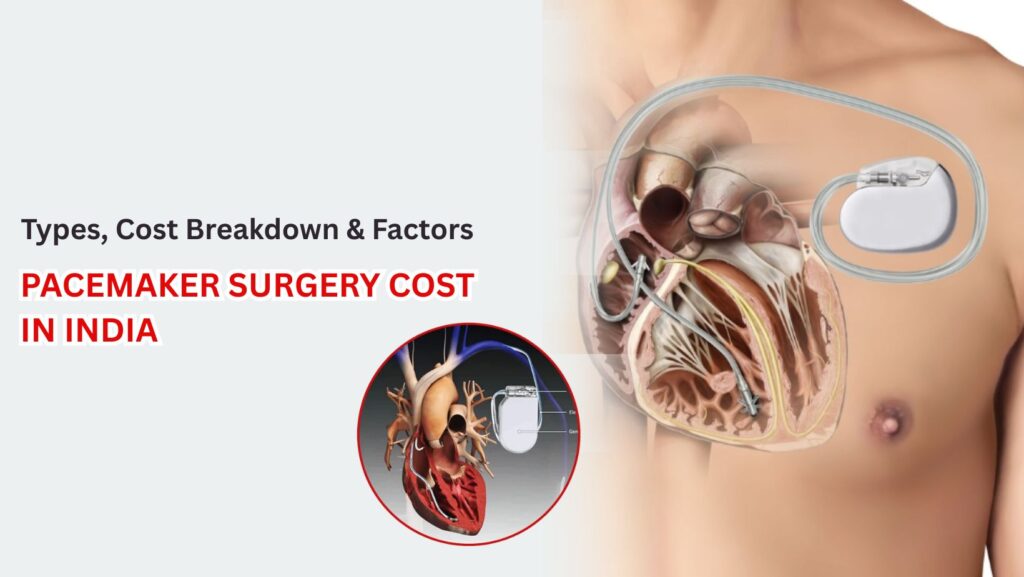
Pacemaker implant surgery treats irregular heart rhythms by placing a small electronic device (pacemaker) under the skin, usually near the collarbone. The device regulates the heart’s electrical activity and maintains a steady heartbeat.
Doctors usually perform the procedure under local anesthesia through a small incision. They guide leads into the heart and connect them to the pacemaker. Most patients recover quickly and resume normal activities within a few days. Regular follow-ups help doctors monitor device function and ensure long-term rhythm stability.
Pacemaker Implant Surgery India – When Is It Needed?
Pacemaker implantation becomes necessary when patients develop serious heart rhythm disorders, especially bradycardia (an abnormally slow heart rate). This condition can cause fatigue, dizziness, fainting, breathlessness, or heart failure symptoms. A pacemaker restores an adequate heart rate and improves blood circulation.
Cardiologists recommend pacemaker implantation after a detailed evaluation that includes ECG, Holter monitoring, and symptom assessment. Doctors also advise pacemakers for heart block, sick sinus syndrome, or conduction problems after cardiac surgery.
What Is the Cost of Pacemaker Implant Surgery in India?
The Pacemaker surgery Cost in India can vary significantly based on several factors, including the type of pacemaker used, the hospital’s location, and the surgeon’s expertise. On average, the total expenses for the procedure, which typically includes pre-operative assessments, the surgery itself, and post-operative care, can range from approximately INR 1,00,000 to INR 3,00,000.
This price range may encompass both government and private healthcare facilities, with private hospitals generally charging higher fees due to advanced technology and better amenities. Additionally, the cost may also be influenced by the patient’s specific medical condition, the need for any additional treatments, and the duration of the hospital stay.
Factors Affecting the Cost of Pacemaker Implant Surgery in India
Primary Factors Influencing Cost
Brand and Features: Premium international brands (e.g., Medtronic, Boston Scientific) or advanced features (e.g., MRI compatibility and longer battery life) increase device prices.
Type of Pacemaker: This is the most significant cost driver.
Hospital and Location:
City: Costs are typically higher in metros like Mumbai, Delhi, and Chennai compared to Tier-2 cities like Jaipur or Nagpur.
Facility Type: Private super-specialty hospitals charge more than government or trust-run institutions.
Medical Team Expertise: Highly experienced cardiac surgeons and electrophysiologists may charge higher fees, often ranging from ₹30,000 to ₹1,00,000.
Patient Condition: Pre-existing conditions (e.g., diabetes, hypertension) or complications may require extra diagnostic tests or longer ICU stays, increasing total expenses.
Cost of Different Types of Pacemaker Implant Surgery in India
Estimated Cost by Pacemaker Type (2026)
| Pacemaker Type | Device Cost (approx.) | Total Surgery Cost (approx.) |
| Single-Chamber | ₹40,000 – ₹1,50,000 | ₹1,80,000 – ₹2,80,000 |
| Dual-Chamber | ₹60,000 – ₹2,50,000 | ₹2,50,000 – ₹3,50,000 |
| Biventricular (CRT) | ₹1,50,000 – ₹3,50,000 | ₹3,80,000 – ₹5,50,000 |
| Leadless | ₹7,00,000 – ₹10,00,000+ | ₹8,00,000 – ₹12,00,000 |
| Temporary | ₹30,000 – ₹1,00,000 | ₹25,000 – ₹50,000 |
Key Details per Type
- Single-Chamber: Most basic; uses one lead to regulate the right atrium or ventricle.
- Dual-Chamber: Most common; uses two leads to coordinate both the upper and lower heart chambers.
- Biventricular (CRT): Advanced device for heart failure; uses three leads to synchronize both ventricles.
- Leadless: A miniaturized, wire-free device placed directly into the heart; it is less invasive but highly premium.
- MRI-Compatible: Devices that allow safe future MRI scans often carry a premium of 20–30% over standard models
Pacemaker Implant Surgery in India Compared to Other Countries
In 2026, the cost of pacemaker implant surgery in India remains significantly more affordable than in Western and other popular medical tourism destinations. Patients typically save 60–80% on the total procedure cost when compared to the United States or the United Kingdom.
Global Cost Comparison (USD)
| Country | Estimated Total Cost Range (USD) |
| India | $3,000 – $6,500 |
| UAE | $4,000 – $7,000 |
| Turkey | $6,000 – $14,000 |
| Thailand | $6,000 – $14,500 |
| United Kingdom | $15,000 – $30,000 |
| United States | $25,000 – $50,000+ |
Why International Patients Trust Indian Hospitals for Pacemaker Implant Surgery?
International patients increasingly choose Indian hospitals for pacemaker implant surgeries due to a combination of high-quality medical care, advanced technology, and cost-effectiveness. Indian healthcare facilities are equipped with state-of-the-art infrastructure and employ highly skilled cardiologists who are often trained in prestigious institutions worldwide.
This expertise is complemented by cutting-edge medical equipment, ensuring patients receive the most effective, up-to-date treatments. Furthermore, the affordability of procedures in India, compared to many Western countries, allows patients to access necessary surgeries without incurring exorbitant costs. The presence of numerous internationally accredited hospitals also instills confidence in patients regarding the safety and quality of care they will receive.
Conclusion
Pacemaker implant surgery in India offers a viable solution for individuals with heart rhythm disorders, combining advanced medical technology with skilled healthcare professionals. The country’s healthcare system has made significant strides, providing patients with access to high-quality care at competitive costs. With a growing number of accredited hospitals and experienced cardiologists, patients can expect comprehensive pre-operative assessments and post-operative support. This makes India an attractive destination for those seeking effective treatment options for cardiac issues, ensuring both safety and satisfaction throughout the surgical process.